-
Step one:
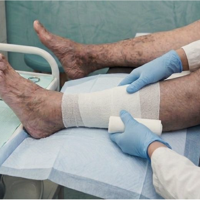
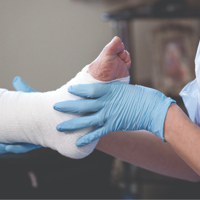
Wear your compression therapy according to your clinicians recommendation
Compression therapy will reduce the swelling (called ˘oedemaˇ) and support blood flow, which encourages the wound to heal faster. -

Step two:
Monitor any wound changes or infection signs and act promptly
Stay alert if you see swelling, redness, the wound draining or feel more pain. Early treatment prevents symptoms worsening.
-
Step three:
Exercise daily
Walking and doing your leg exercises regularly help circulation, reduce weight and ease pressure in your veins, promoting healing. -
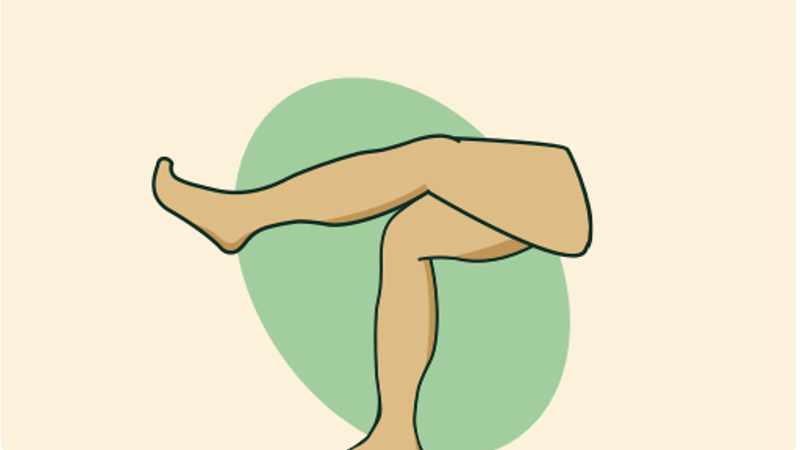
Step four:
Raise your legs when resting
Blood flows back to your heart when you elevate your legs, improving circulation and lowering swelling. Do this often.
-
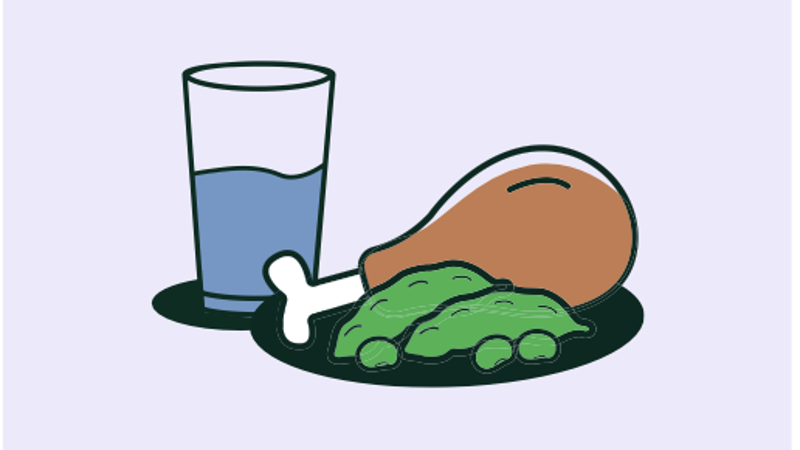
Step five:
Eat healthily and keep hydrated
A balanced diet with two daily portions of protein, vitamins, and water is vital for skin repair while strengthening the immune system. Protein is especially important for wound healing, as it helps the body repair damaged skin and tissue. -

Step six:
Prioritise sleep
Aim for seven to eight hours of sleep a night to support your bodyˇs healing and combat infections.

Not sure where to start? Eating healthily and exercising daily are two ways to help your ulcer heal.
-
The importance of nutrition
A balanced diet provides the essential nutrients for fighting infection, repairing tissue and reducing swelling. If your venous leg ulcer is healing slowly, you may be low in certain nutrients, such as proteins, minerals and vitamins.1
Protein helps repair tissues to accelerate wound healing. Eating two daily portions of protein supports your body to produce collagen. This speeds up recovery time, lowering infection. Protein comes from lean meats, fish, eggs, dairy, beans or nuts.
Examples of protein:
Meat - pork, turkey, chicken, beef
Fish - mackerel, sardines, cod, salmon
Beans - chickpeas, baked beans, lentils, peas or split peas.
Vitamins and minerals - eat five daily portions of fruit and vegetables, whether fresh, dried or frozen. Focus on fruit and vegetables rich in vitamin C such as oranges, berries, and peppers. These keep your skin flexible and strong by building collagen.
Omega 3s - fish, walnuts and flax seeds contain Omega-3 fatty acids which reduce inflammation and improve skin health.2
Examples of fruit and vegetables:
Vegetables - including kale, carrots, cabbage, broccoli, sweetcorn, peas, aubergine, cucumber.
Fruits - including cherries, pineapple, bananas, berries, apples, apricots, oranges.
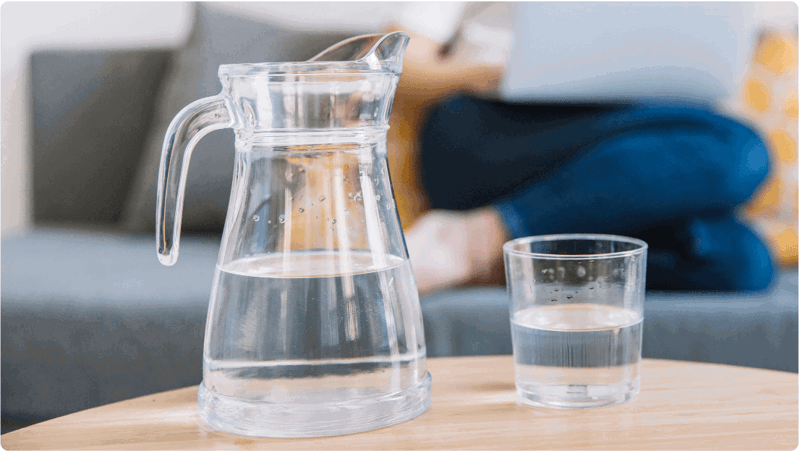
Drinking more water daily
Drink six to eight glasses of water every day. This improves circulation, reduces swelling in your leg, and hydrates skin.
Need help with meal planning? Ask your nurse for advice.
-
How to improve your circulation
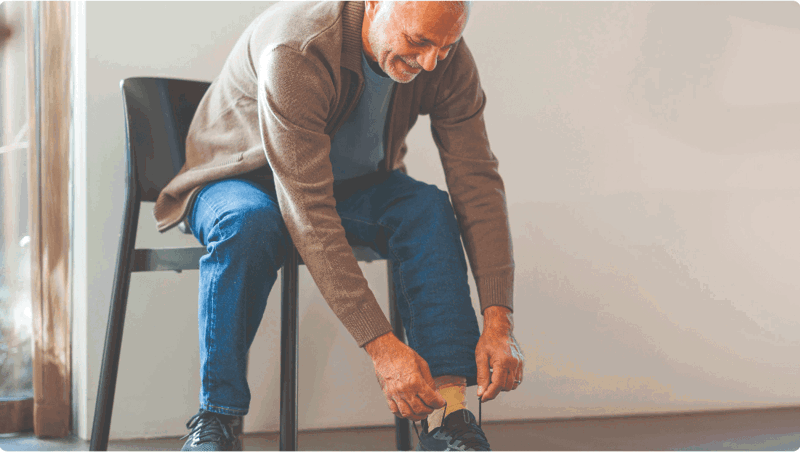
Keeping active every day will improve your circulation, lowering swelling and support your wound healing.3 If you`re wearing compression therapy for venous leg ulcers, regular movement will make it even more effective.
Four simple exercises to do at home
These simple exercises help you stay mobile. If you feel pain in your joints or lower back, stop immediately and contact your nurse for advice. It`s normal to feel a mild pulling in your muscles.
FAQ
-
How to support your leg ulcer healing?
To support your venous leg ulcer healing, exercise and nutrition are important factors. Walk daily and ask your nurse for simple exercises you can do sitting. Eat plenty of fruits and vegetables and drink six to eight glasses of water per day.
-
How to reduce the risk of leg ulcers coming back?
To prevent a venous leg ulcer returning, wear your compression garments as advised by your nurse or doctor. Eat a balanced, protein-rich diet, prioritise sleep and regular exercise.
-
Can I travel with a venous leg ulcer?
You can travel short distances with a venous leg ulcer but long flights are not recommended. This is because the risk of deep vein thrombosis (DVT) or blood clots increase if you have vein issue. Always speak to your nurse or doctor before booking any flights.
-
Can I shower?
Yes, you can usually shower with a venous leg ulcer. If you’re wearing a compression bandage, do not remove it—use a waterproof cover to keep it dry. Ask your nurse for guidance on how to shower with your bandage in place. When showering, avoid using harsh soaps or chemicals that could irritate your skin. Always follow your nurse advice for the best care.
-
How can I manage pain?
Elevate your legs above heart level when resting. This can help reduce pain and swelling by improving circulation. Engage in gentle exercises or stretches as advised by your nurse or physical therapist. Practice deep breathing, meditation, to help reduce stress. Talk to your nurse: Always communicate with your nurse or doctor about your pain levels.
-
My wound itches all the time. What can I do?
Itching can be a sign of healing, but it may also indicate irritation. Avoid scratching the area, as this can cause further damage. Keep the wound clean and moisturized with appropriate products. If the itching continues or worsens, contact your nurse for advice.
-
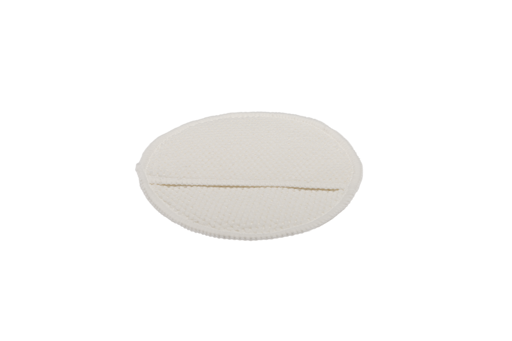
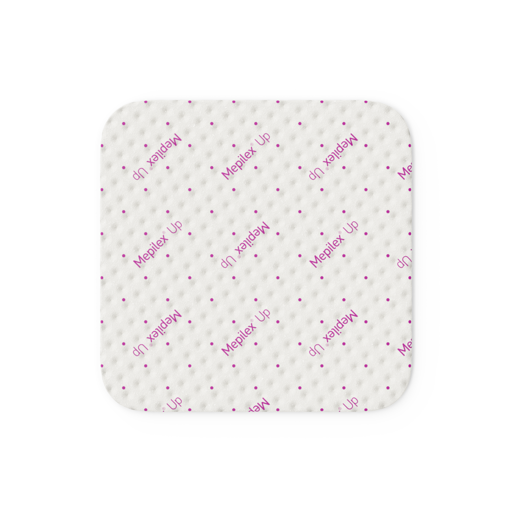
Why do I need to keep a wound dressing on? Won’t it heal quicker if I let the air in?
Keeping a wound dressing on is important for protecting the area from infection and further injury. Dressing provides a moist environment that promotes healing and helps new tissue grow. Letting air in can dry out the wound, potentially slowing the healing process. Always follow your nurse or doctors ‘advice on wound care.