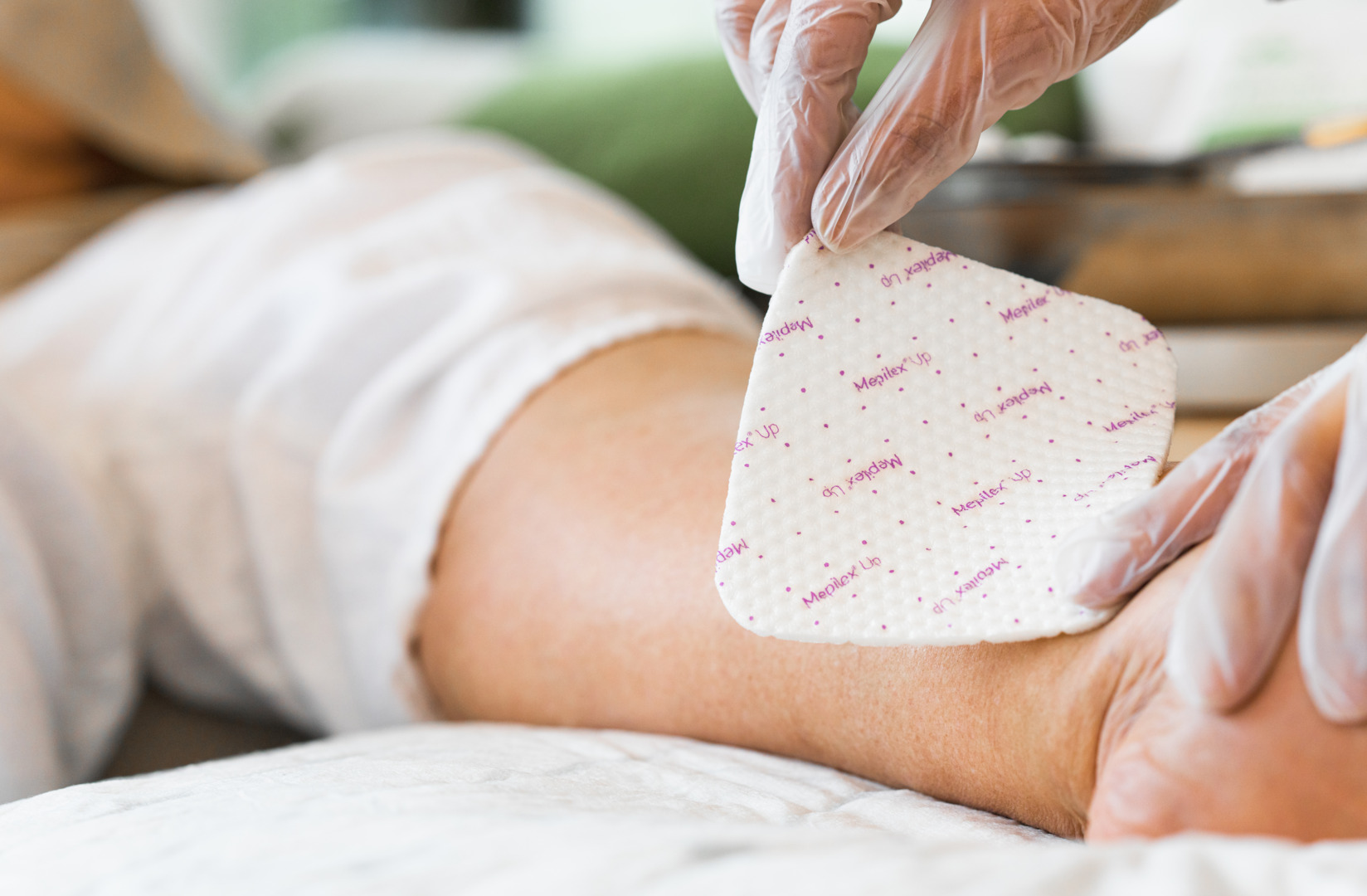
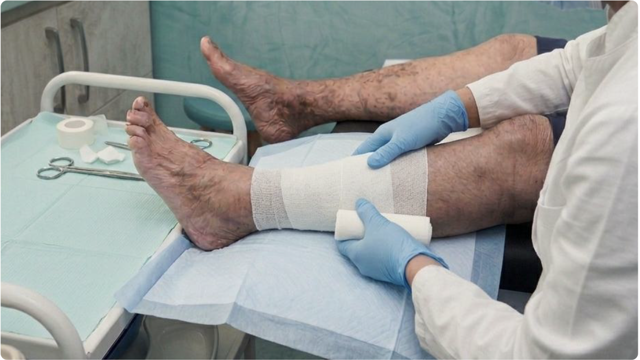
High volumes of exudate from hard-to-heal (chronic) wounds can significantly affect the patient's quality of life and substantially increase direct healthcare expenditure and other social costs. A dressing that fails to effectively absorb and manage excessive exudate can contribute to increased inflammation within the wound bed, leakage, and breakdown of the surrounding skin (maceration). These issues ultimately delay wound healing and diminish a patient's quality of life. Therefore, a dressing’s ability to effectively manage wound exudate is a pivotal feature, as it is a key determinant of both patient well-being and economic outcomes.
Understanding that not all dressings within a specific category, such as foam dressings, perform equally is crucial. The effectiveness of a dressing is significantly influenced by its composition and construction. Various factors, including the materials used, the layering of those materials, and the overall design, contribute to how well a dressing can manage exudate, maintain a moist wound environment, and protect the wound from external contaminants. These differences make it essential to carefully select the appropriate dressing based on the specific needs of the wound and the patient.
Matching lab tests with real-world data
The study found that the clinical results matched the laboratory data and that dressing innovations that were measured in the laboratory translated to wound exudate management in wounds in real clinical practice.
The dressing under investigation in this study handled moderate to large amounts of exudate well, and clinical investigators rated it highly for its ability to absorb and retain fluid. Over the course of the study, there was a general reduction in exudate volume and an improvement in wound condition, with less dead tissue and more healthy tissue growth.
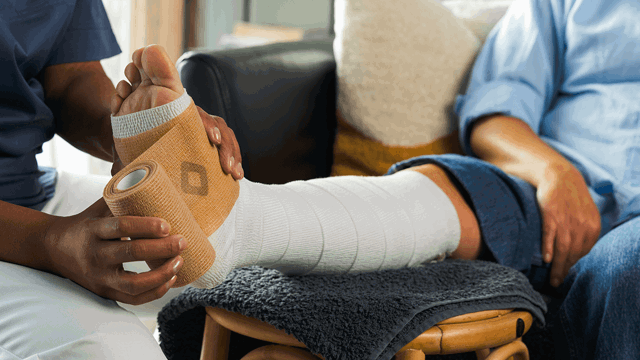
The dressing under investigation in this study demonstrated effective fluid management, even under compression. Clinical studies showed a reduction in wound size and improved exudate management, with patients reporting significant improvements in quality of life. The laboratory tests discussed in the article identified notable differences among six commercially available non-bordered foam dressings in their capacity to manage and retain fluid, particularly under compression.
Read the full article here