Understanding burns in children
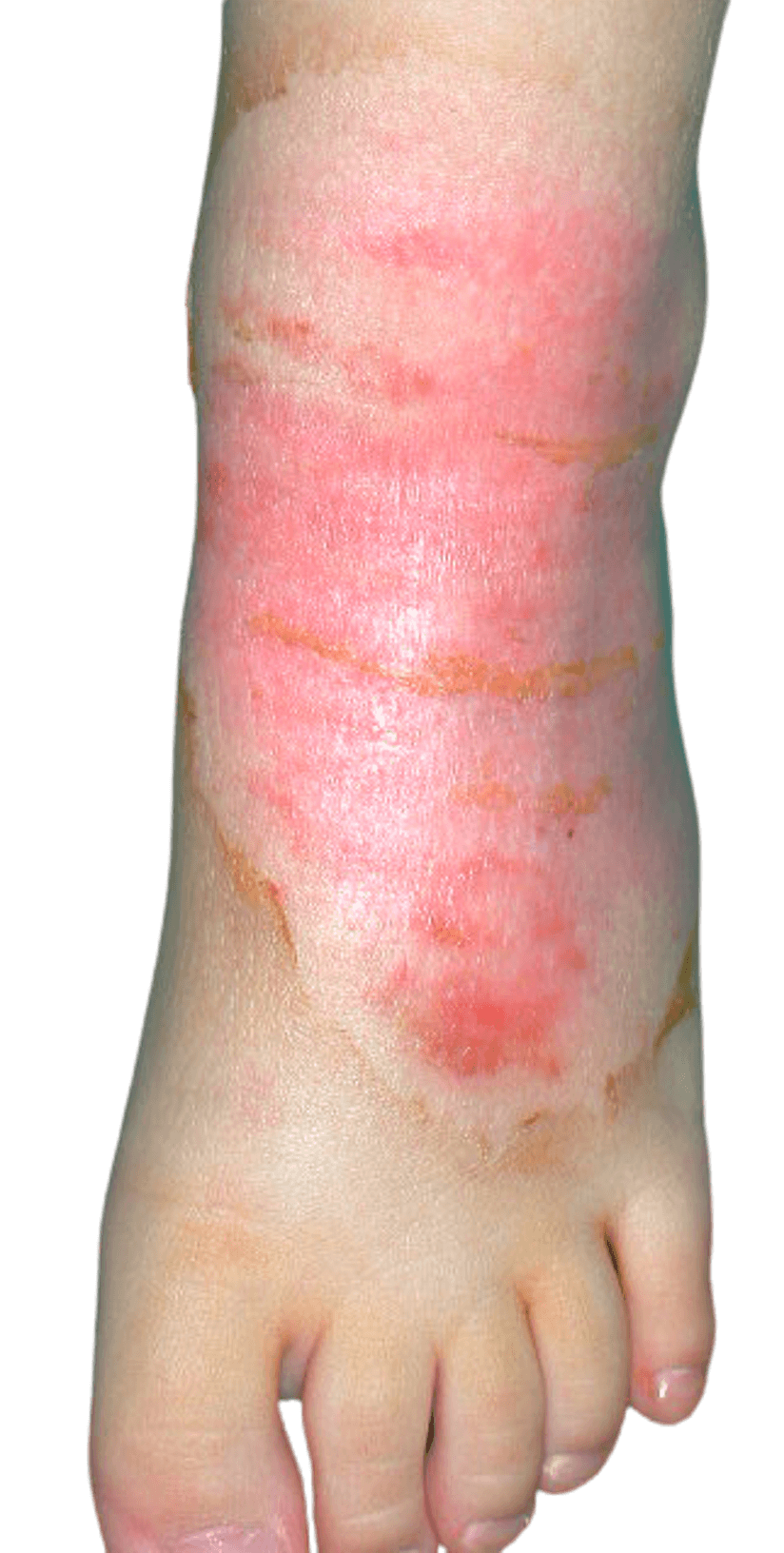
A burn injury during childhood can feel devastating, not just for the child but for parents too. Children’s skin is thin, fragile and particularly sensitive to pain and trauma. However, children’s skin also tends to heal quickly compared to adults, and with the right kind of care, their pain can be minimised.
Gentle and effective care and the right burn dressings will help your child recover from a burn injury and get back to enjoying their childhood. We explain how to support your child’s recovery and answer some frequently asked questions.
Did you know
Most burns are partial thickness (sometimes called ‘second degree’ burns), which affect the top layer (epidermis) and part of the second layer (dermis) of the skin.
-
Depending on the severity of the burn, the immediate priority will be pain relief and managing any risk of infection, so that healing can begin.
Usually, the burn will be covered with a dressing, such as Mepilex Ag®, and bandages. This dressing is designed to keep the wound at the right moisture level to support undisturbed wound healing, and to create an effective antimicrobial barrier.
Dressing changes can be painful and a source of anxiety, especially for children. We know that pain and trauma can contribute to delayed healing. For that reason, Mepilex® Ag, an advanced dressing, has a soft silicone contact layer (using Safetac® technology) to prevent it from sticking to the wound bed. This helps make each dressing change less of an ordeal for your child.
See the Safetac effect in action:
-
Once your child returns home, they can begin to get back to enjoying the usual childhood activities as healing continues.
As in hospital, the dressing will continue to absorb fluid and release silver into the wound to create an effective antimicrobial barrier.
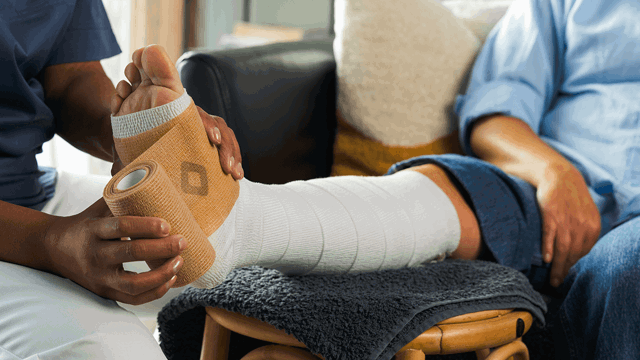
The dressing is made of foam, which feels soft and comfortable on the wound and surrounding skin. It moves with your child’s body and is kept securely in place with a tubular bandage.
The Mepilex Ag dressing can stay in place for up to seven days for undisturbed wound healing. Your healthcare professional will decide on frequency of dressing changes based on clinical factors.