Webinar - Trojan Horse in Plain Sight: the Nasal Microbiome and HCAIs
Despite sustained investment in surface cleaning, hand hygiene and personal protective equipment, healthcare-associated infections (HCAIs) remain a persistent challenge globally. Increasing evidence suggests that endogenous microbial reservoirs - particularly the nasal microbiome - act as a “Trojan horse”, quietly harbouring pathogens that can seed infections and undermine prevention efforts from within.

This session, led by Professor Michael Wilson and Dr Nicolas Loebel explores the clinical importance of the nasal vestibule as a hidden reservoir for pathogenic organisms and consider its implications for infection prevention strategies in healthcare settings, including surgical pathways and hospital environments.
The webinar examines:
- The microbial ecology of the nasal vestibule and its role as a habitat for Staphylococcus aureus and other microorganisms implicated in HCAIs
- Molecular insights into microbial communities and colonisation within the nasal microbiome
- The implications of nasal colonisation for healthcare-associated infections and surgical site infections
- Emerging approaches to nasal decolonisation as part of infection prevention strategies
- An overview of light-activated antimicrobial technology (photodisinfection) and its potential clinical applications
Recommended attendees:
- Infection prevention and control specialists
- Surgeons and surgical teams
- Perioperative and theatre nurses
- Infection control nurses and practitioners
- Operating theatre and clinical support teams
- Trainee healthcare professionals
Speakers
-

Professor Michael Wilson, GRSC, MSc, PhD, FRCPath, DSc
Professor Michael Wilson is Emeritus Professor of Microbiology at University College London and one of the leading researchers in photodisinfection. Over four decades at UCL, his research has focused on the human microbiota, microbial biofilms, bacterial pathogenesis, antibiotic resistance, and the development of novel antimicrobial strategies.
A pioneer in translational microbiology, he has filed 13 patents for innovations including light-activated antimicrobial technologies and water purification systems. Professor Wilson has published 338 peer-reviewed papers and 11 books, supervised over 80 postgraduate researchers, and received several international honours for his contributions to microbiology and global health innovation. -
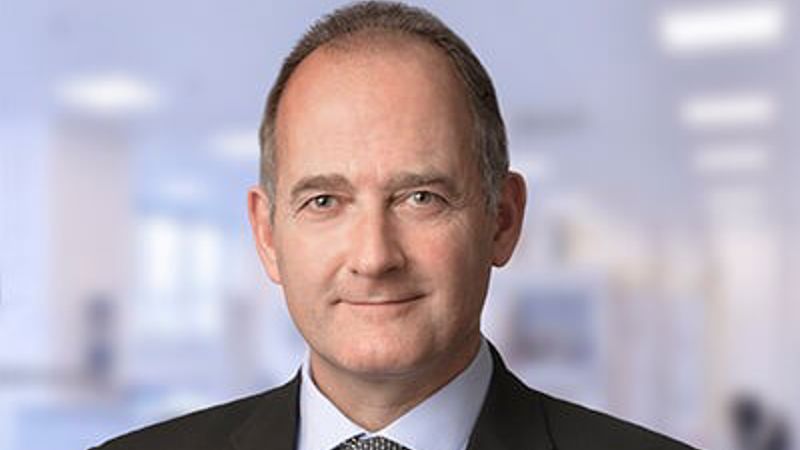
Dr Nicolas Loebel, PhD
Dr Nicolas Loebel is President and Chief Technology Officer at Ondine Biomedical, where he leads research and development of light-activated antimicrobial technologies. With extensive experience in medical device innovation and antimicrobial photodynamic therapy, he has authored numerous publications and patents and lectures internationally on the clinical applications of photodisinfection.
Webinar Q&A
-
What is the role of PHMB in nasal use, and how does it compare with or complement photodisinfection? Can PHMB be used for nasal prevention as well as for decolonisation purposes?
PHMB (polyhexamethylene biguanide) is chemically unrelated to methylene blue or to the photodisinfection system and should not be confused with it. PHMB has not been approved for human hygiene use, including nasal use.
Photodisinfection uses methylene blue activated by light to inactivate microorganisms and is used in accordance with its approved indications.
-
Are there any contraindications for the use of the treatment or the device?
Per the Steriwave® Nasal Photodisinfection System Instructions for Use:
“The potential for an adverse reaction may be observed in patients with any of the following conditions:
- Patients with allergies / hypersensitivity to methylene blue.
- Patients with allergies / hypersensitivity to chlorhexidine.
- Patients with undiagnosed nasal bleeding.
- Patients with a nasal anatomical defect that is sufficient to inhibit formulation application or laser illumination.”
-
What are the potential side effects associated with the use of the equipment?
Per the Steriwave® Nasal Photodisinfection System Instructions for Use:
“Potential side-effects associated with use of the NPS include:
- Temporary staining of tissue around the nostrils.
- Sense of warmth during the illumination step of the treatment.
- Permanent staining of clothing.
- Temporary nose/throat irritation caused by post-nasal drip of formulation.
- Temporary runny nose, sneezing.”
-
Will attendees be able to receive the presentation slides or access a recording of the session after the event?
Yes. Attendees will be able to access a recording of the session via a provided link after the event.
-
What is the effect of the treatment on the nasal microbiome, and could removal of beneficial bacteria cause problems?
Photodisinfection causes a short‑term reduction in nasal bacteria, but the normal, healthy microbiome is rapidly restored through natural recolonisation. There is no evidence of long‑term disruption or clinical harm.
-
How many hospitals in the UK are currently using photodisinfection, and what are the main barriers to adoption?
Photodisinfection is still in early adoption in the UK, with a small number of hospitals using it in pilot or routine practice. Initial barriers are typically practical rather than clinical, such as workflow or staff familiarity, and are usually overcome quickly. Wider uptake is driven by local outcome data, often starting with a pilot to demonstrate impact.
-
Could photodisinfection be used immediately before surgery instead of multi day at home nasal decolonisation for MRSA positive patients?
Yes, this is a key advantage of photodisinfection over current nasal decolonisation agents. As a single, point-of-care microbicidal treatment delivered within minutes, photodisinfection removes the uncertainty of multi-day at-home regimens and ensures decolonisation is performed consistently and correctly.
It is also non-selective, effective against multidrug-resistant organisms, and short-acting, so it does not contribute to resistance or prolonged microbiome disruption. This allows pathogen burden to be reduced reliably at the critical moment before surgery.
-
How could this technology be adopted for use in community patients, and does it have potential applications beyond acute hospital settings?
Photodisinfection has potential applications beyond acute hospital settings. Opportunities are being explored for use in community and post‑acute care, including pre‑ and post‑surgical contexts. While the current form factor is primarily designed for clinical environments, alternative delivery formats are under evaluation to support broader use in the future.