Partnering for better healing
Wound Care For All
Access our free, easy-to-use tools and resources today
In partnership with clinicians and patiens, we have created effective and easy to use resources and educations to support you in the management of hard-to-heal wounds.
Our aim is to empower nurses, patients, family members, and non-clinical caregivers to deliver quality wound care, whether at home or in any community setting.
Download our resources
-
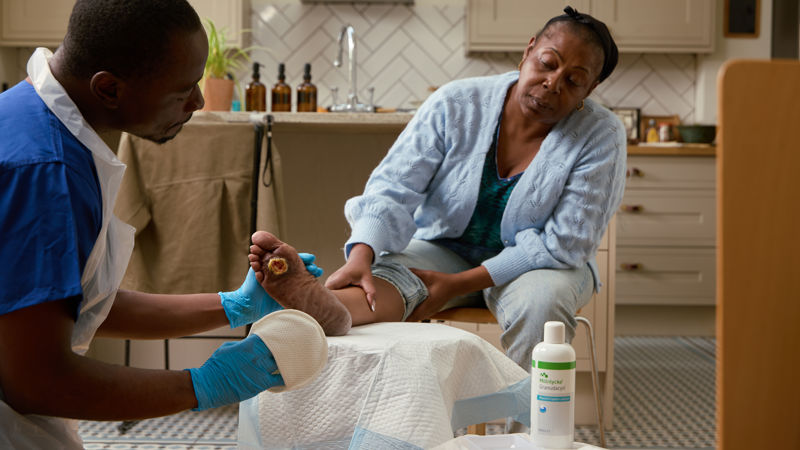
Diabetic foot ulcer algorithm
This algorithm outlines the essential steps to support you in the management of diabetic foot ulcers.
-

Wound assessment guide
This 10-step wound assesment guide supports you in evaluationg and managing wound.
-
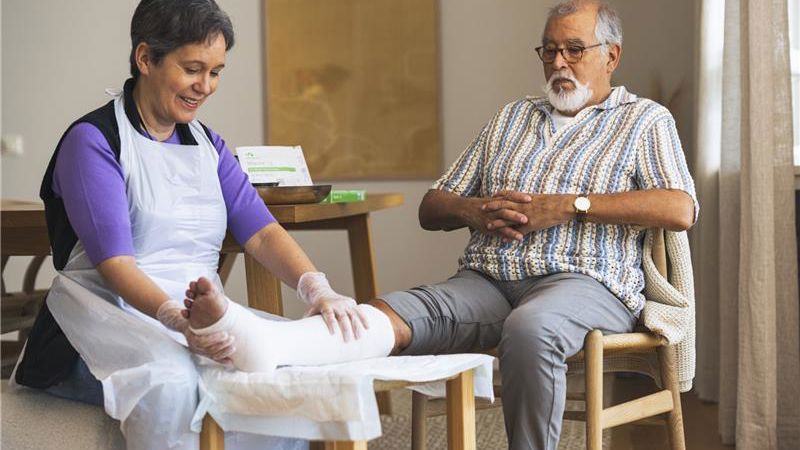
Venous leg ulcer algorithm
This is a streamlined treatment guide for the management of less complex VLUs.
Inclusive wound care
-
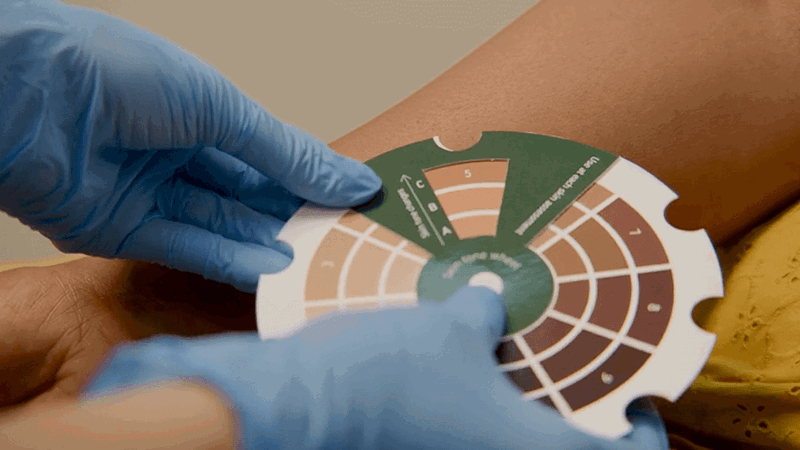
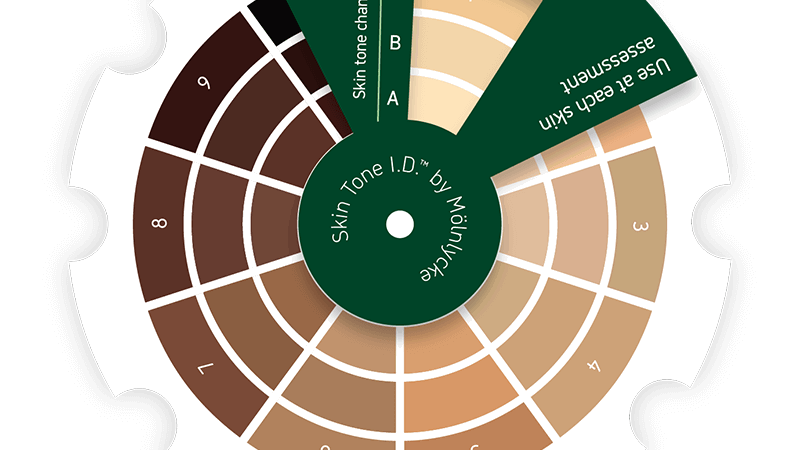
Accurate skin assessment for every patient
The Skin Tone I.D.TM by Mölnlycke helps you identify and document skin tone changes across skin tones, supporting accurate inclusive wound assessment.
-
How to use the Skin Tone I.D. TM by Mölnlycke
Watch this video to learn how to use the Skin Tone I.D.TM and how it can help you in your everyday practice.
-
Addressing skin tone bias in wound assessment
Read this article to learn more about the importance of early detection of skin tone changes.
Talk to our experts
To create a positive impact, we build mutually beneficial relationships with employees, customers and the people in our communities.
Start your conversation hereWound care perspectives: explore real stories and insights
-
Understanding the impact of diabetic foot ulcers
-
Wound Stories: Living with a venous leg ulcer
Start your healing journey
Find practical advice and information to guide and support your patients through their healing journey.
Learn more-
A guide to diabetes foot ulcer care.
To support you patient and their caregiver with practical advices to improve their healing journey and reduce the risk of reoccurrence.
Download the guide to diabetes foot ulcer care -
Patient goal tracker
Help your patient take control of their progress by setting clear, achievable goals and tracking their daily habits.
Download the patient goals tracker