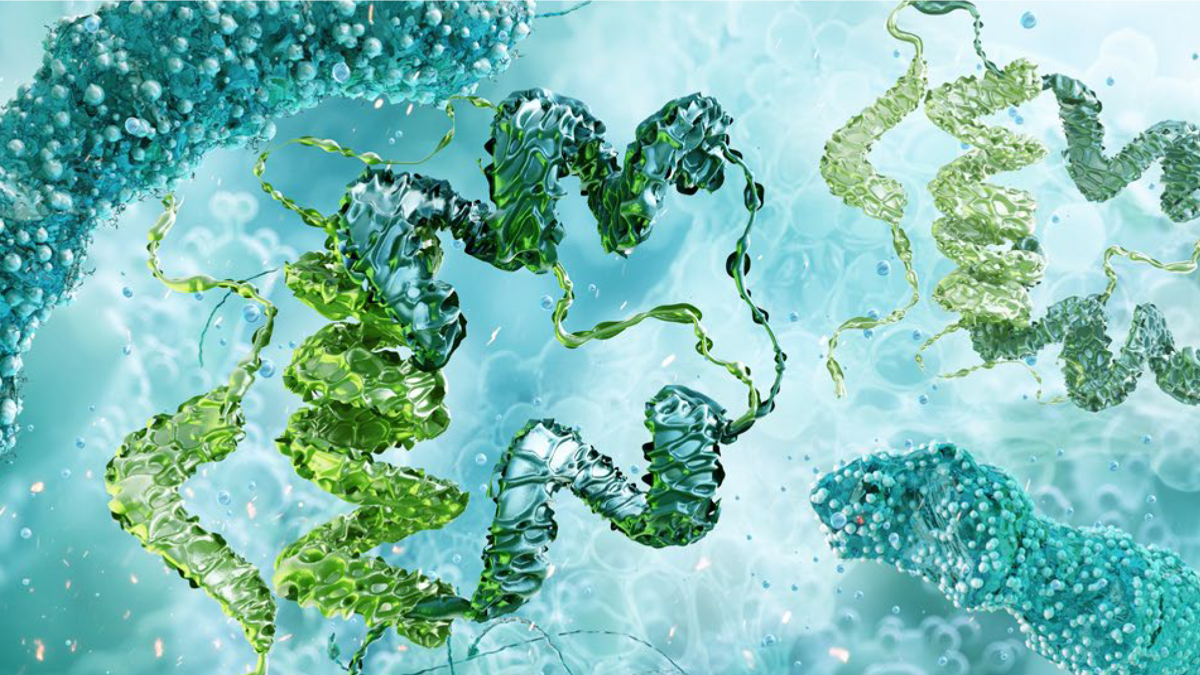
What is the microbiome?
The microbiome is a collection of around 39 trillion microbes1 that live in and on our bodies. These microbes contribute to our health and wellness by way of protecting us against pathogens, helping our immune system develop and support metabolic processes.
The human body has a diverse ecosystem of microbes that differ from person to person and across each person’s gut, skin, and nasal and oral cavities. Environmental disruptions, diet, and medications can affect a person’s microbiome and their individual susceptibility to illness and infections.2
How the microbiome affects surgical site infections
Staphylococcus, Enterococcus, Bacteroides and Escherichia coli are typical pathogens present in the microbiome, and can contribute to the balance of microbes within the human body.3 In fact, about 30% of individuals naturally carry Staphylococcus aureus on the skin and in the nostrils.4 However, these same pathogens are opportunistic pathogens, and often the most common bacteria contributing to postoperative infections.3
In the operating room (OR), HAIs are a major health and economic issue, and SSIs are a major contributor. It is estimated that up to ~1%–3% of patients undergoing inpatient surgery, depending on the type of operative procedure performed, will develop a SSI.5
Staphylococcus aureus is one of the most common microbes found in SSIs, followed by Escherichia coli and Enterococcus faecalis.3 And while it’s unclear why some patients develop SSIs due to these common pathogens and others do not, one study suggests that it could be due to an imbalance of microbial commensals.5
One study by Ann-Kathrin Lederer, Sophia Chikhladze, and team compared pre- and post-operative stool samples of patients who underwent colorectal surgery due to cancer. All patients received preoperative oral decolonization and intraoperative intravenous antibiotics. The study showed a bacterial decrease; however, it also confirmed an increase in potentially pathogenic bacteria post-surgery.3
 |
Supporting the Microbiome with 4% CHGInfectious complications are often influenced by patient-related factors, including microbial colonization.3 But, with evidence-based prevention practices, including skin antiseptics with 4% CHG like HibiClens®, we can improve patient outcomes and reduce infections. |
 |
Caring for Skin IntegritySkin integrity is a foundational element of preventing infections. Hospital-wide decolonization strategies that include 4% chlorhexidine skin prep is emerging as the most effective, scalable practice6 to reduce microorganisms on the skin for pre-op and localized, short-term use. |
 |
Preoperative Showering with 4% CHG Antiseptic Skin CleansersFor patients undergoing surgery, showering or bathing with a 4% CHG-based solution twice prior to their procedure and allowing the solution7 to remain on the skin for at least one minute before rinsing can help reduce the risk of HAIs.6 |
 |
Postoperative Whole-Body Bathing with 4% CHG Foam Skin Cleansing Protocol4% Chlorhexidine gluconate solutions like HibiClens is a gentle, yet powerful antiseptic known to reduce the risk of HAIs and SSIs by killing bacteria, fungi, and viruses. It forms a protective layer on the patient’s skin to reduce bio-burden of microorganisms’ immediately after application and hours after use.9,10 Implementing standard bathing protocols with HibiClens® can significantly reduce the microbial density on the skin.
|
Elevating Patient Bathing
While supporting the microbiome is different for every patient, there are tangible insights that can help determine which protocols and solutions are most effective, so that you can provide high quality care for every patient, every day.
For more information and educational resources regarding infection risk mitigation, visit molnlycke.com/en-us/us/campaign/antiseptics/hibi or contact us at HibiUS@Molnlycke.com
MHC-2026-000989