Why This Matters
Early identification of skin damage is critical to preventing complications and improving patient outcomes. Yet many traditional wound assessment practices rely heavily on visual signs such as redness—an indicator that may not be readily visible across all skin tones.
During the Mölnlycke sponsored NPIAP webinar, Addressing Skin Tone Bias in Wound Care: A Practical Guide for Clinicians, wound care expert Luxmi Dhoonmoon explored how clinicians can improve assessment accuracy and deliver more equitable care for patients with diverse skin tones by the using your “Touch” and “Feel”.
Looking Beyond Redness
Clinicians are often taught to identify skin damage through visible redness. However, relying solely on this sign can contribute to delayed recognition of:
- Pressure injuries
- Wound infection
- Cellulitis
- Inflammation
- Incontinence-associated dermatitis
|
For wound assessment in darker skin tones, important indicators may include:
|
 |
As emphasized during the webinar, effective skin assessment best practices requires clinicians to document not only what they see, but also what they feel.
The Impact on Patient Outcomes
Delayed recognition of skin damage can lead to more severe wounds, prolonged healing, increased infection risk, and reduced patient trust.
The webinar highlighted real-world examples demonstrating how patients with darker skin tones may experience delayed diagnosis when early skin changes are not recognized. These challenges reinforce the importance of inclusive assessment practices and ongoing clinician and wound care education.
Creating More Equitable Wound Care
Improving wound assessment starts with recognizing that skin tone and ethnicity are not the same thing and that all clinicians should be equipped to assess skin changes across a wide range of skin tones.
Key recommendations shared during the webinar included:
- Use multiple assessment indicators beyond redness
- Incorporate diverse skin-tone images into education materials
- Standardize documentation practices
- Use respectful, objective language when describing skin tone
- Educate patients on recognizing changes in their own skin
Supporting Better Clinical Assessment
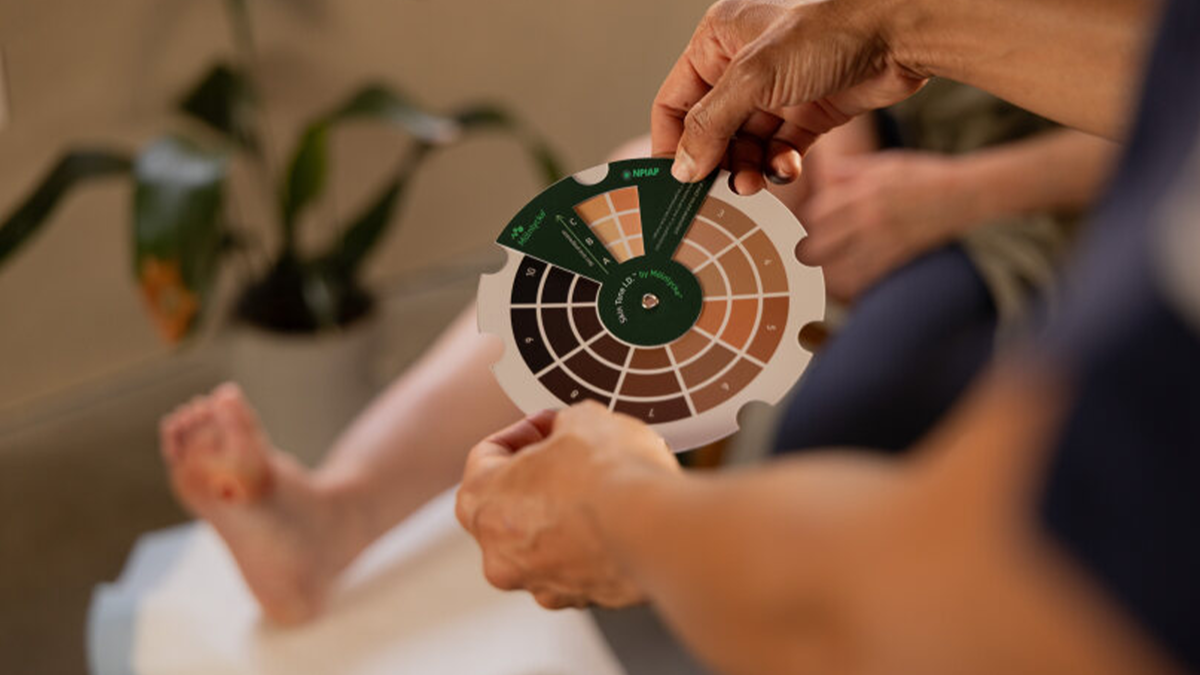
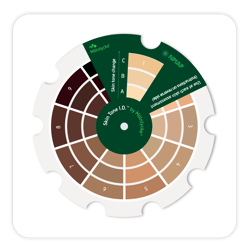
The webinar also introduced the Mölnlycke Skin Tone ID tool, designed to help clinicians establish baseline skin tone and identify changes more consistently. Organizations using standardized approaches have reported increased clinician confidence, more objective documentation, and improved early identification of skin changes.
Watch the Full Webinar
Addressing skin tone bias is an important step toward improving health equity and patient outcomes in wound care. The full NPIAP webinar sponsored by Mölnlycke provides practical assessment strategies, clinical examples, and actionable guidance that clinicians can apply immediately in practice.
Watch the full webinar on the NPIAP Learning Center to learn how inclusive assessment practices can help improve wound care for every patient.