Burn treatment
Gentle care for burns
Effective burn healing
Most burns are painful and can even be life-changing for the patient. With the right burn care and therapies throughout the healing journey, we can help patients return to daily life faster.
The Power of Gentle
Our product portfolio does not make compromises. It provides effective care and reduces additional trauma and suffering during dressing changes – every step of the way. This means undisturbed wound healing, improved cost-effectiveness, and a better patient experience. 2-3, 10-12
Our approach to treating burns
-
1. Gentle care for burns
Undisturbed wound healing should be promoted. Using dressings that minimize the risk of maceration, provide an antimicrobial barrier and allow for long wear-time is essential. Pain and stress are contributors to delayed wound healing, therefore it is also key to select a dressing that minimizes additional trauma.9
-
2. Patient satisfaction
Experiencing pain and distress is not only a bad foundation for healing but also agonizing for the patient. Choosing a dressing that minimizes pain and anxiety at dressing change will contribute to higher patient satisfaction.
-
3. Cost-effectiveness
Cost-effectiveness is an important factor in implementing a treatment regimen for burns. Dressings associated with less changes, nursing time or analgesics use can reduce total cost of care.
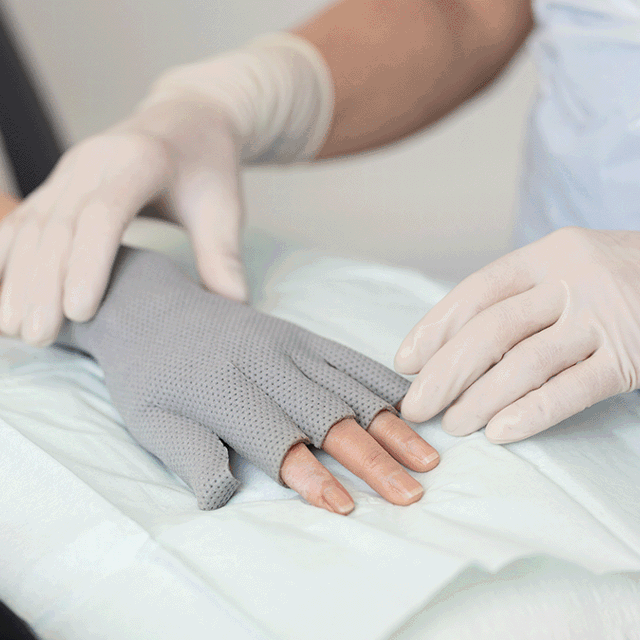
A gentle healing journey
Minimized pain at dressing changes enabled by Safetac® technology
Safetac® is the original less-pain contact layer with silicone adhesion. It molds softly to skin without sticking to the moist wound and it can be easily be removed without damaging the wound or skin.1-5,7 That means less pain for your patients.1-6,8 Safetac also protects new tissue and intact skin – so wounds remain undisturbed to support natural healing. Read more about Safetac here.
-
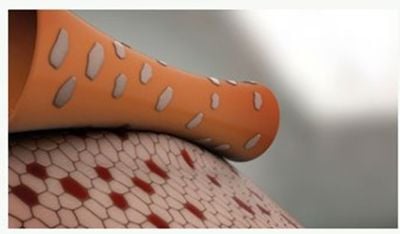
Without Safetac®
-
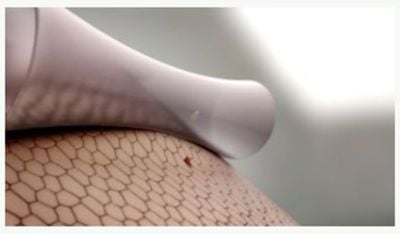
With Safetac®
Wound stories
Every burn has its story. Listen to burn survivors and caregivers when they share their experience on burns.

Product selection guide
Our burns selection guide can help you discuss how to help your patients return to normal daily life


-
References
- Van Overschelde, P. et al. A randomised controlled trial comparing two wound dressings used after elective hip and knee arthroplasty. Poster presentation at 5th Congress of the WUWHS, Florence, Italy, 2016.
- Silverstein P. et al. An open, parallel, randomized, comparative, multicenter study to evaluate the cost-effectiveness, performance, tolerance, and safety of a silver-containing soft silicone foam. Journal of Burn Care and Research, 2011.
- Gee Kee E.L. et al. Randomized controlled trial of three burns dressings for partial thickness burns in children. Burns, 2015.
- David F. et al. A randomised, controlled, non-inferiority trial comparing the performance of a soft silicone-coated wound contact layer (Mepitel One) with a lipidocolloid wound contact layer (UrgoTul) in the treatment of acute wounds. International Wound Journal, 2017.
- Patton M.L. et al.. An open, prospective, randomized pilot investigation evaluating pain with the use of a soft silicone wound contact layer vs bridal veil and staples on split thickness skin grafts as a primary dressing. Journal of burn care & research, 2013
- Bredow J. et al. Evaluation of Absorbent Versus Conventional Wound Dressing. A Randomized Controlled Study in Orthopedic Surgery. Deutsche Arzteblatt International, 2018.
- Meaume S. et al. A study to compare a new self-adherent soft silicone dressing with a self-adherent polymer dressing in stage II pressure ulcers. Ostomy Wound Management, 2003.
- Gotschall C.S. et al. Prospective, randomized study of the efficacy of Mepitel on children with partial-thickness scalds. Journal of Burn Care & Rehabilitation, 1998.
- Upton D, Solowiej K. Pain and stress as contributors to delayed wound healing. Wound Practice and Research 2010, 18(3): 114-122.
- Gee Kee EL, Stockton K, Kimble RM et al. Cost-effectiveness of silver dressings for paediatric partial thickness burns: An economic evaluation from a randomized controlled trial. Burns 2017, 43(4): 724-732.
- Aggarwala S, Harish V, Roberts S et al. Treatment of partial thickness burns: a prospective, randomised controlled trial comparing Biobrane, Acticoat, Mepilex Ag and Aquacel Ag. J Burn Care Res 2020, 42(5): 934-43.
- Tang H, Lv G, Fu J et al. An open, parallel, randomized, comparative, multicenter investigation evaluating the efficacy and tolerability of Mepilex Ag versus silver sulfadiazine in the treatment of deep partial-thickness burn injuries. J Trauma Acute Care Surg 2015, 78(5): 1000-1007.
Related articles
Read all-

Wound care | 2 min read Support your healing by making the right choices
-

Wound care | 5 min read Rethinking surgical incision care
Undisturbed wound healing in post-surgical settings is a key focus for rethinking surgical incision care. Undisturbed wound healing is a principle that reduces patient mortality, improves recovery time, increases patients’ quality of life and reduces costs¹.
-
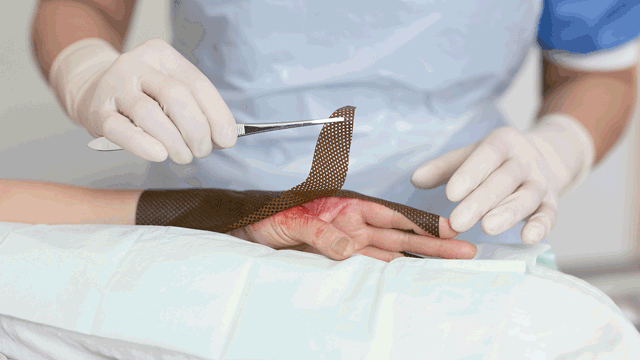
Wound care | 3 min read Cost-effectiveness of burn dressings
Cost-effectiveness is an important factor in implementing a treatment regimen for burns. Burn care is associated with high costs, but it is important to look beyond price-per-unit to consider the total cost of care and cost savings realised by fewer dressing changes, less nursing time required, and fewer pain relief medications.
-
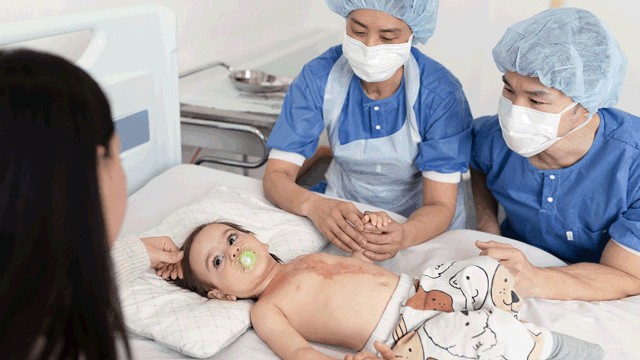
Wound care | 4 min read Making burn care less painful
Burn injuries affect millions globally each year and present trauma in the form of physical and psychological challenges during the healing process. The pain and trauma associated with burn care, particularly during dressing changes and also for those with sensitive and fragile skin, such as children and the elderly, is a focus of recent advancements in burn care, emphasizing the importance of minimizing pain during dressing changes and improving patient outcomes.
-
Wound care | 3 min read Tips and tricks to prevent pressure injuries in the OR: Setting up and running an OR pressure injury prevention program
Watch video -
Wound care | 2 min read Tips and tricks to prevent pressure injuries in the operating room: criteria for assessing patient risk
Watch video -

Wound care | 4 min read How to understand and treat Epidermolysis Bullosa (EB) and make dressing less distressing for patients
EB is a rare, inherited group of skin disorders characterised by extreme skin fragility. It is estimated to affect around 500,000 patients worldwide¹.
-
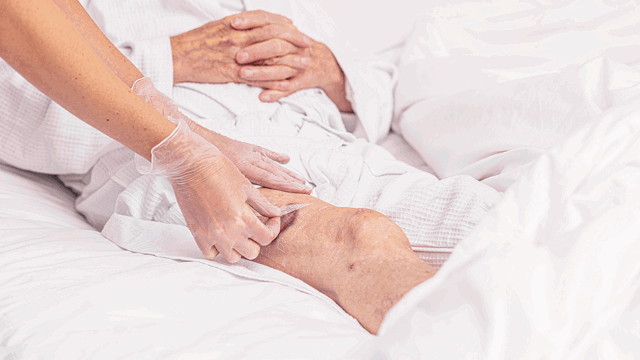
Wound care | 4 min read How being skin tear aware can help patients and clinicians understand and manage skin tears
Skin tears are painful and distressing injuries that occur more often than people may realize. Unfortunately, a lack of awareness about what causes skin tears can lead to misidentification and mistreatment which in turn, can lead to pain and suffering.
-
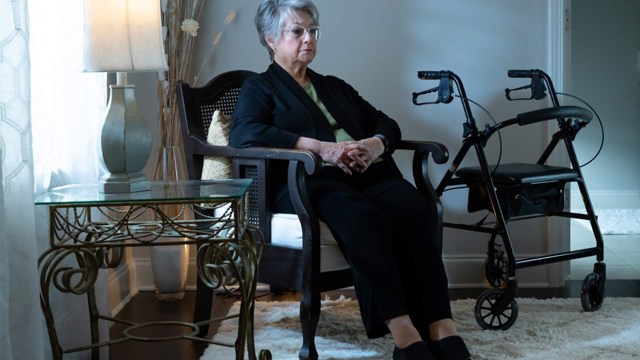
Wound care | 4 min read The impact of venous leg ulcers (VLUs) on the patient's quality of life
Venous leg ulcers can have a significant effect on the patient's quality of life. How can VLU management become better to improve the patient's quality of life and minimize the burden to healthcare systems? A Wounds International article explores the connection between venous ulcer management and the patient's quality of life.