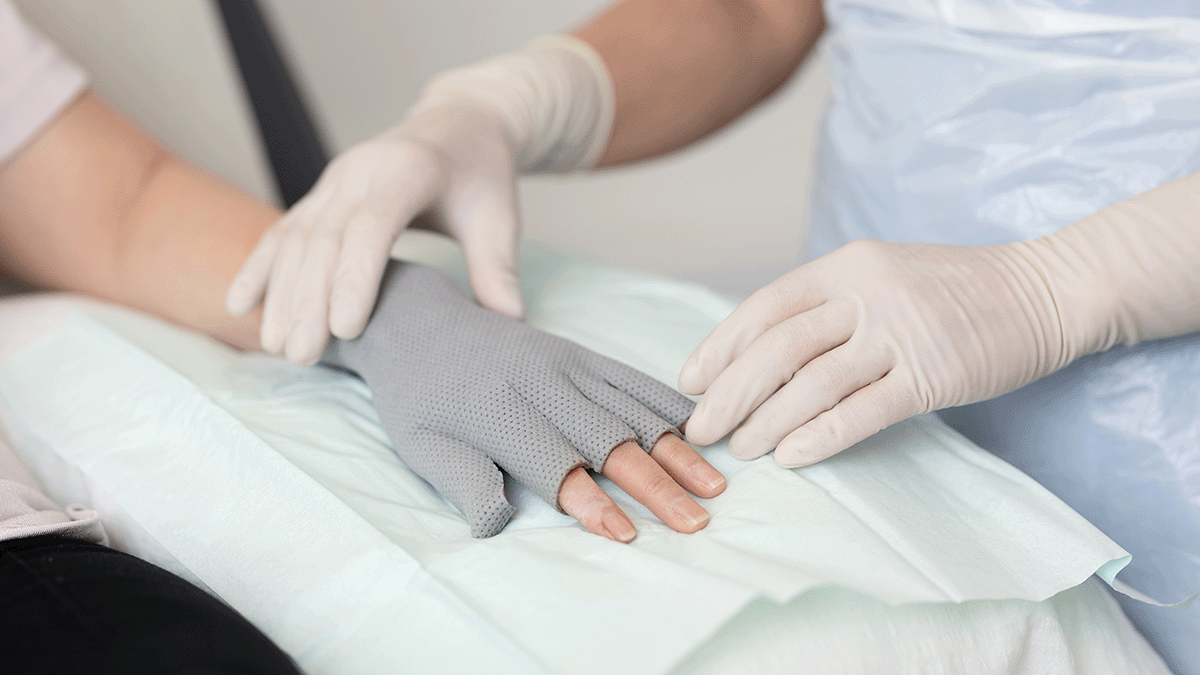
Burn injuries represent a significant global health concern, with the World Health Organization estimating approximately 11 million cases annually, leading to around 180,000 deaths. Almost half of these incidents occur in Asia, particularly in countries like China and India1. The Burns Registry of Australia and New Zealand (BRANZ) is the primary source for data on burn injury incidence and causes in ANZ. In 2022/23 there were 2423 severe burns in Australia requiring hospital admission for more than 1 day and 473 in New Zealand2.
Effective management of burn wounds is crucial for preventing complications, such as infections, delayed healing, and excessive scarring. A critical component of effective burn management is the selection of an appropriate burn dressing. An ideal burn dressing should possess specific characteristics to optimise the healing process and support positive patient outcomes3.
Ideal burn dressing characteristics
Through the assessment and treatment of burn wounds in the Asia-Pacific (APAC) region: Consensus meeting report, Nischwitz et al.'s global burn care and ideal burn dressing survey, and the International Society for Burns Injuries (ISBI) Practice Guidelines, a number of key characteristics have been identified3. These contribute to a shared understanding of what makes up an ideal burn dressing:
Lack of adhesion/non-adherence to the wound bed
Dressings that adhere to the wound bed can cause trauma upon removal, leading to pain and potential disruption of newly formed tissue. Non-adherent dressings, such as advanced silicone-based dressings, are designed to minimise this, ensuring that the dressing can be changed with less pain and reducing the risk of damaging the healing tissue.
Less pain
Pain management is a critical aspect of burn care. The dressing should be easy to apply and remove without causing additional discomfort. Additionally, minimising the frequency of dressing changes and using non-adherent materials can further alleviate pain.
Fewer dressing changes
Not only do patients experience less pain and discomfort from fewer dressing changes, healthcare providers and systems benefit from dressings that can stay in place longer. This likewise allows HCPs to reclaim valuable time. Fewer dressing changes can also contribute to better outcomes by supporting undisturbed wound healing.
High absorbency/exudate management
Burn wounds produce varying levels of exudate. An ideal dressing should effectively manage exudate by absorbing excess fluid while maintaining a moist wound environment for optimal healing. This balance prevents maceration of the surrounding skin and reduces the frequency of dressing changes, minimising disturbance to the wound.
Anti-microbial/barrier against infection
Burn wounds are highly susceptible to infection. An ideal dressing should provide a physical barrier against microbial contamination. Some advanced dressings are impregnated with antimicrobial agents, such as silver, to further reduce the risk of infection.
Optimal healing supported by burn dressing choice
Selecting the appropriate burn dressing is a key part of effective burn wound management. An ideal dressing should encompass the characteristics outlined above to promote optimal wound healing, prevent complications, and enhance patient comfort.
The choice of dressing may vary based on the specificities of the burn injury, including the depth and extent of the wound, the patient's overall health, and the resources available. Healthcare providers should assess each case individually to determine the most suitable dressing, ensuring that it aligns with the principles of effective burn care and contributes to the best possible outcomes for the patient.