The merest touch – a bump or even a hug – can cause painful wounds and severe blistering. For some patients, this can mean a life overshadowed by pain, distress, endless dressing changes and treatments.
With understanding and the right care, things can be improved for these patients.
How does EB affect patients and their families/carers?
EB can vary in severity, with symptoms ranging from mild to severe. However, all patients with EB experience pain and discomfort. The suffering isn’t just limited to the skin but extends to the psychological: the dread of a dressing change, a life dictated by routine and regime. The impact on patients, families, caregivers and healthcare professionals can be devastating.
Download our EB patient brochure (aimed at parents, carers and family members of children with EB)
The challenges of EB care
With wounds at many different stages of healing, the management of EB is complex2.
It is vital to select a dressing regimen that does not further damage the patient’s fragile skin2. This can be particularly challenging.
Factors to consider in developing a care plan for EB include:
- protecting the peri-wound skin
- avoiding skin stripping
- addressing the bioburden
- managing wound fluid
How do you select the best wound dressing for EB?
The combination of fragile skin and frequent dressing changes means that atraumatic dressings are recommended to prevent further pain, damage or bleeding2. Silicone-based dressings are easier to apply and remove than traditional dressings3. They also help protect the wound and peri-wound skin, creating a favourable environment for wound healing.
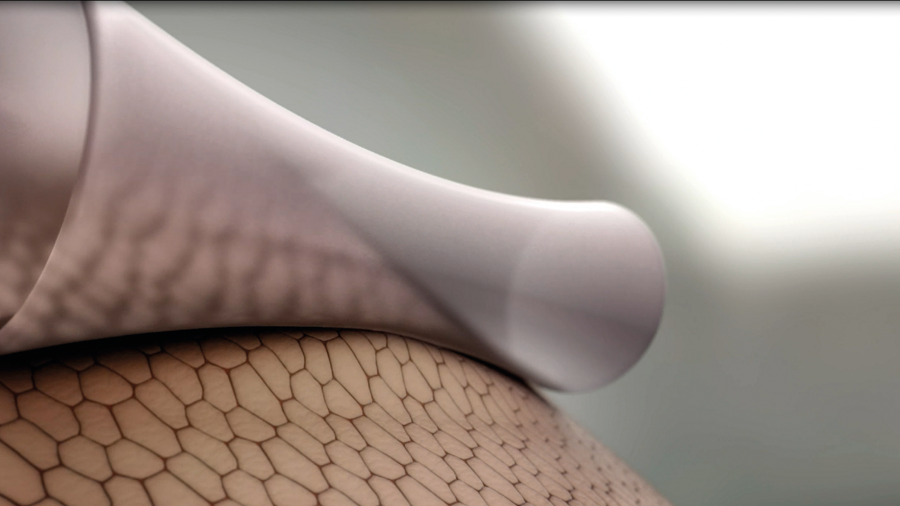
Safetac® Technology is a game-changing silicone wound contact layer. Its innovative design allows the dressing to mould softly to the skin and yet not stick to the moist wound3, making it easy to remove without damaging the skin4,5. It all adds up to a less painful experience for patients at dressing changes6.
Download our guide to EB, which includes a dressing selection guide.
Download our EB cutting guide brochure.
How do you keep dressings for EB in place?
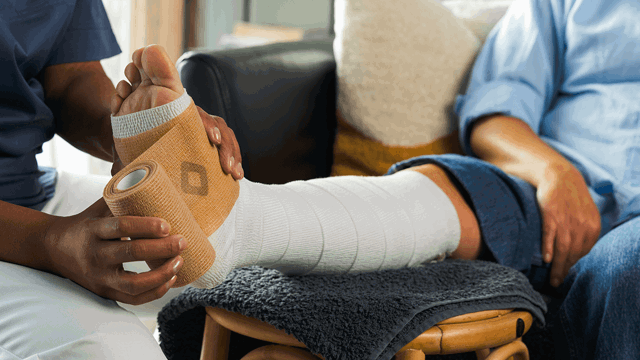
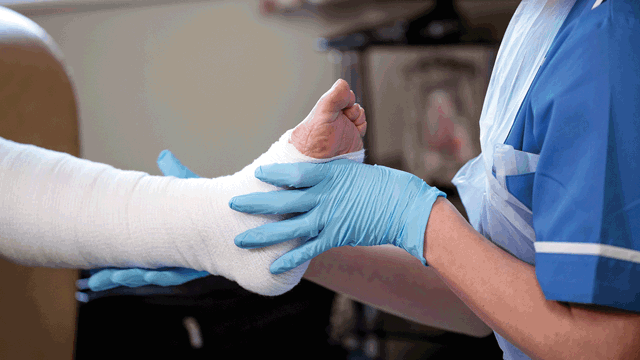
If dressings slip, they can tear fragile skin and cause wounds to stick to clothes or bedding². To increase dressing retention for EB, the dressing should be held in place with a retention bandage. The bandage should put no additional pressure on the wound and should allow freedom of movement to prevent shearing from causing additional blistering2. Tubular bandages can be used to acheive this2.
How do you manage infections in EB care?
Due to the large areas of open wounds that EB may cause, patients have a high risk of infection. Antimicrobial cleansers, moisturisers and topical treatments are necessary to manage the bioburden2.
How do you manage blisters in EB care?
Left unchecked, EB blisters can spread rapidly, and so need careful management2. Intact blisters should be lanced with a sterile needle at their lowest point to limit tissue damage2. Sterile swabs or sponges can be used to gently compress and encourage complete emptying of the blisters.
Make dressing changes less distressing for patients with EB
By educating yourself and other members of your team, you can play a key role in helping to reduce the unnecessary pain and suffering caused by EB. The Clinical Learning Hub provides flexible and on-demand training and education, including information on managing EB.
Visit the Clinical Learning Hub
Knowing which products are suitable for patients with EB is vital. The recommended solutions for managing EB, as set out in the international consensus best practice for skin and wound care in EB2 include several Mölnlycke products and solutions:
- Mepilex®7,8
- Mepilex® Lite7
- Mepilex® Transfer7,9
- Mepitel®7,10
- Mepitac®7,9
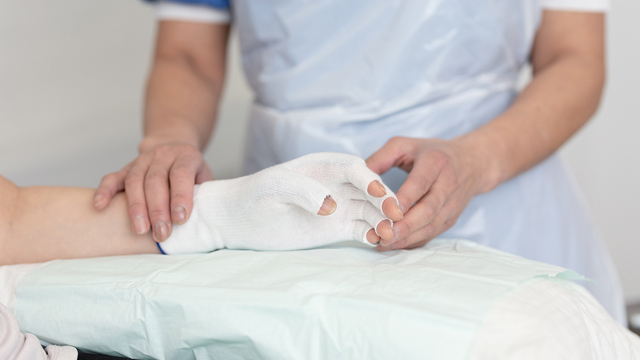
- Tubifast® Garments7
- Tubifast® 2-Way Stretch7