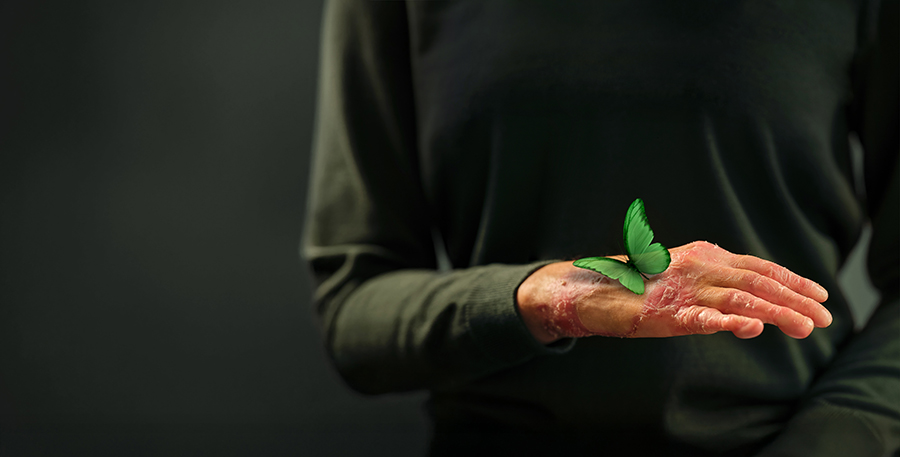
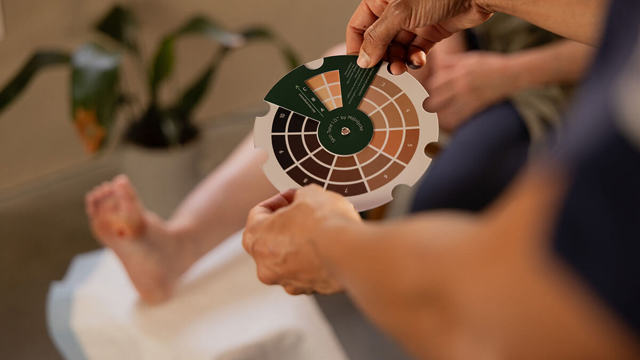
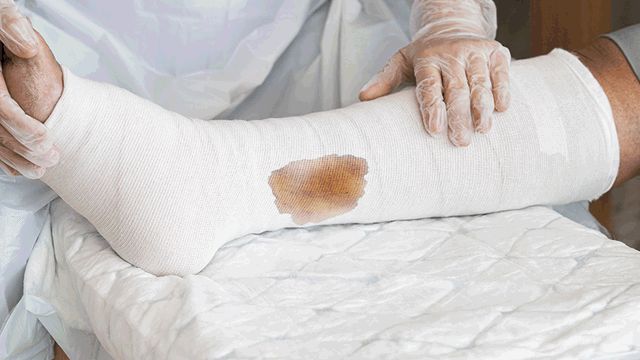
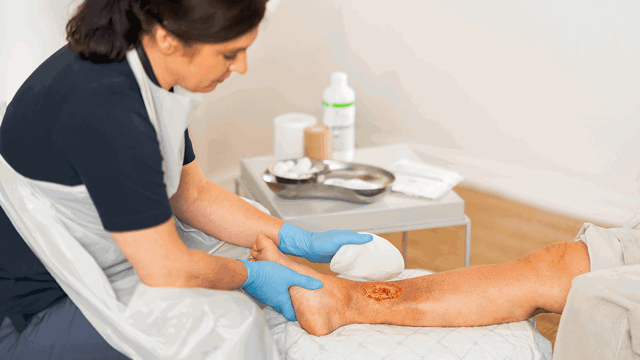
For people living with EB, every touch matters. Everyday activities that cause friction on the skin can be extremely painful. While it is important to protect damaged skin, dressings – and particularly daily dressing changes – can become a source of further trauma.
With understanding and the right care, things can be improved for people with EB and their families and carers.
Understanding EB
DEBRA International, the EB patient advocacy organisation defines EB as ‘a group of rare disorders with many genetic and symptomatic variations.’ All types of EB are characterised by fragility of the skin and mucous membranes that blister and tear from mechanical friction or trauma.2’
EB affects males and females equally and can occur across all races and ethnicities. People with EB are often called ‘butterflies’ because their delicate skin resembles the fragility of butterfly wings3.
There is currently no cure for the overall condition and treatment is focused on symptom relief, such as pain management, wound care and preventative bandaging.
How EB affects daily life
Not only is the condition itself painful, but dressings on blistered skin need to be changed daily. This is time-consuming and can cause further pain and damage to already fragile skin.
Improving daily life for people living with EB means finding gentle dressing solutions that are easy to use and cause minimal pain.

People living with EB and their families
Download our brochure for people living with EB and their families
-
Because a person living with EB may have wounds at different healing stages and different on locations on the body, wound management and particularly dressing can be complex.
Key challenges and ways to address them include:
- Preserving the integrity of delicate skin – for example, by cleansing and moisturising with gentle soap substitutes
- Managing blisters – for example, by lancing and using a wound cleansing solution
- Choosing the most suitable dressings – for example, by using only dressings that are atraumatic on removal.
Our Clinical Learning Hub provides flexible, on-demand training and education, including information on managing EB.
-
To protect fragile skin, minimise pain and simplify daily life of caregivers, only dressings with the lightest touch are suitable for people living with EB.
The ideal wound dressing should:
- Protect fragile skin and avoids causing further damage
- Reduce pain at dressing change
- Be soft and conformable for comfort and mobility
- Be versatile and easy to use.
-
Safetac is Mölnlycke’s trusted silicone-based technology. Soft and flexible, Safetac is designed to be kind to the most fragile skin, even during removal. With less damage to the wound and surrounding skin, pain at dressing change is minimised.
Dressings with Safetac also mould softly to body contours and can be cut to size.
-
Mölnlycke offers a range of products and solutions for EB care. Our portfolio covers:
Emollients
- Epaderm® Ointment
- Epaderm® Cream
Wound cleansing solution
- Granudayn®
Foam dressings with Safetac
- Mepilex®
- Mepilex® Transfer
- Mepilex® Lite
- Mepilex® Border Flex Lite
Wound contact layer
- Mepitel®
Fixation
- Mepitac®
- Tubifast® Garments and Tubifast®
Protection for landing zones (during hospitalisation)
- Mepitel® Film