Biogel® Radiation Protection™ Surgical Gloves

Radiation Exposure to the Hands: The most neglected but most exposed area

The use of fluoroscopy continues to expand across multiple specialties, resulting in increase cumulative occupational radiation exposure over the course of a clinician's career.1,2,3,4

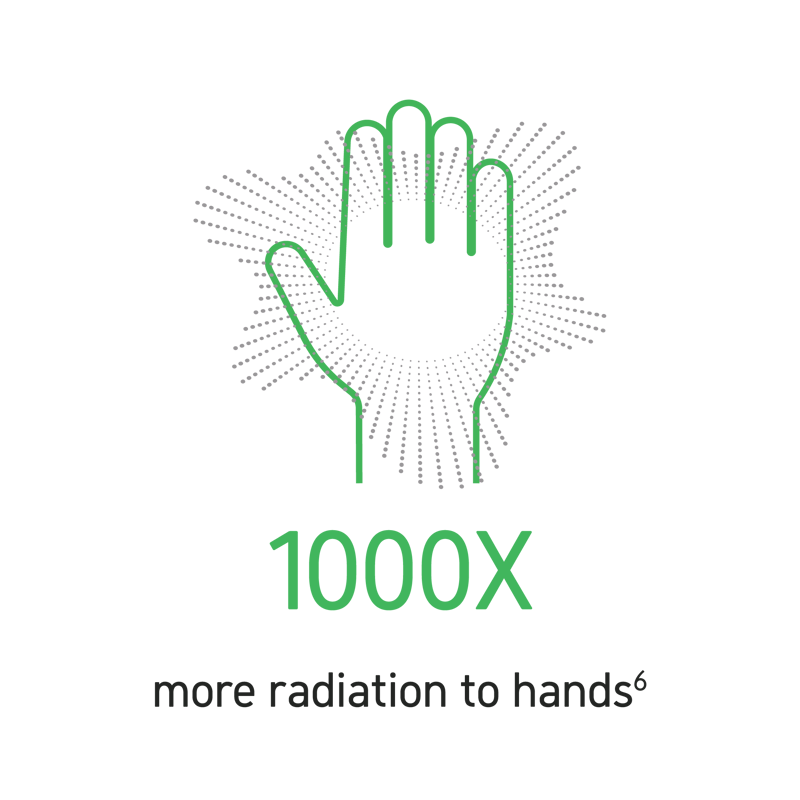
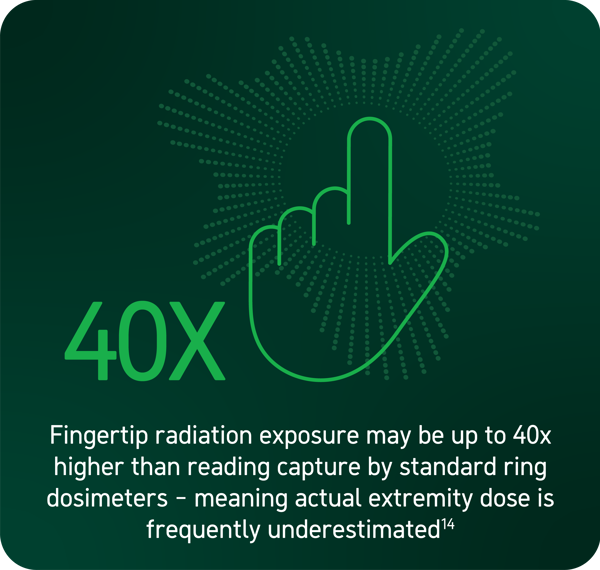
Among all exposed anatomical regions, the hands consistently receive the highest dose of direct and scatter radiation compared to any other body parts.5,6,7,8

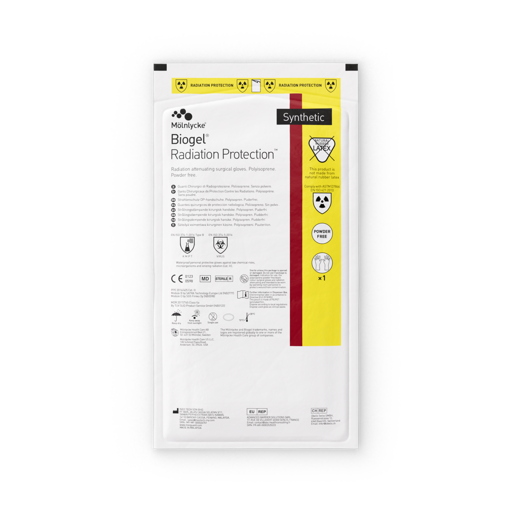
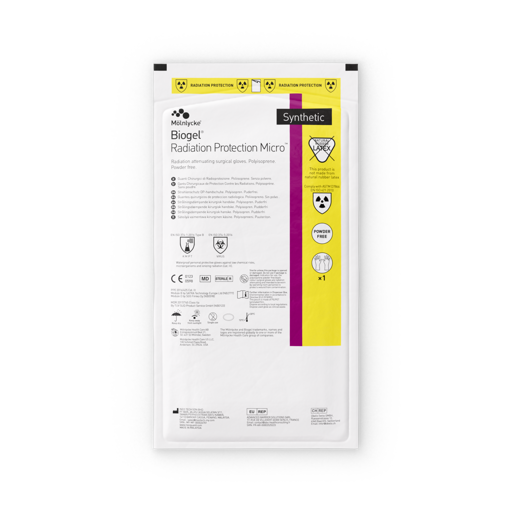
Experience radiation protection with the fit of a Biogel® surgical glove

  • Preferred fit, comfort and dexterity*
  • FDA 510(k) surgical glove cleared
  • Manufactured without latex, lead or MBT and DPG accelerators
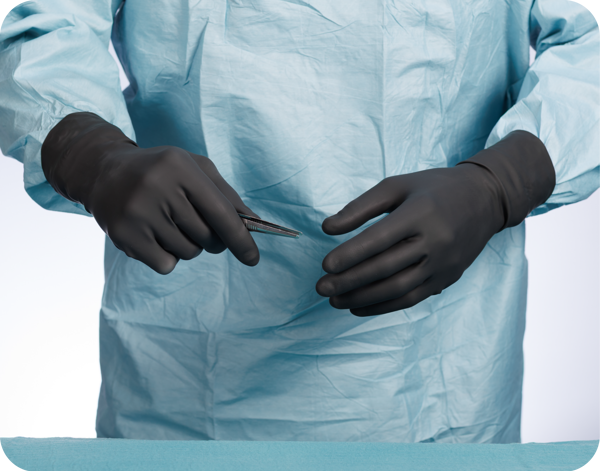
Healthcare professional using Biogel Radiation Protection gloves

  •  

    Specialties at Increased Risk


    Clinicians working within 3 feet of the radiation beam for prolonged periods are exposed to significantly higher scatter radiation, including:9

    • Interventional cardiologists10
    • Orthopedic and spine surgeons11
    • Interventional radiologists1
    • Endourologists12
    • Pain physicians13

    Occupational exposure in these specialties is not incidental – in many cases, hand placement within the imaging field is unavoidable.
  •  

    Radiation causes a wide spectrum of hand injuries that can lead to serious, lasting consequences


    Radiation exposure to the hands is associated with multiple distinct categories of injury, supported by clinical and observational data.
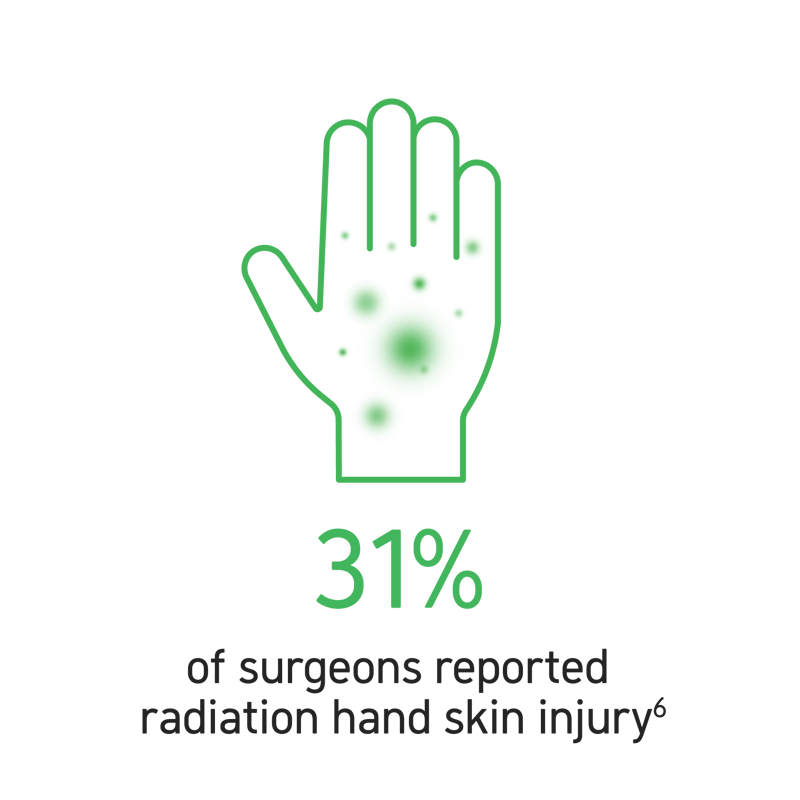
    • Acute and chronice skin injury11,15,16
    • Nail and microvascular injury15
    • Musculoskeletal and functional consequences12,16
    • Cellular changes and malignancy10,12,16
  •  


    Management and Prevention: Reducing Hand Radiation Exposure


    • Applying ALARA to the lands
      • Regulatory limits define thresholds for recognized injury, not thresholds of safety. The ALARA principle (As Low As Reasonably Achievable) emphasizes minimizing exposure whenever possible.17,18
    • Recommended Practices for Reducing Hand Radiation Exposure
      • Keep hands out of the primary beam whenever possible2,15
      • Optimize C-arm position, distance, shielding, and use adjunct tools such as extensions or protective drapes to reduce exposure2,15
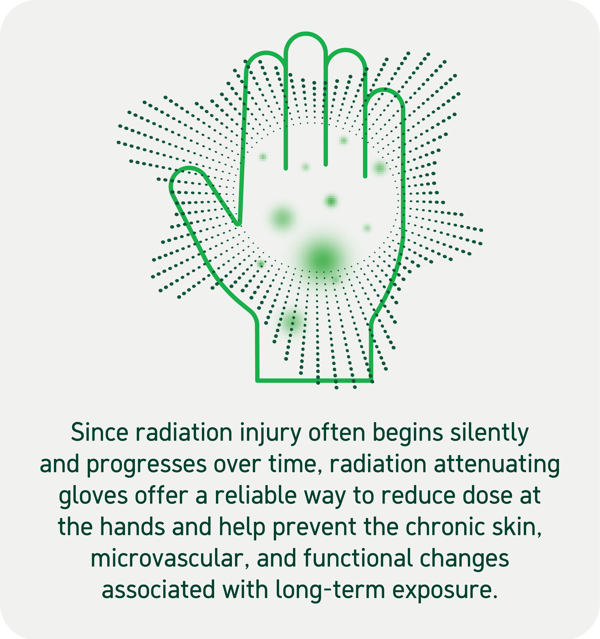
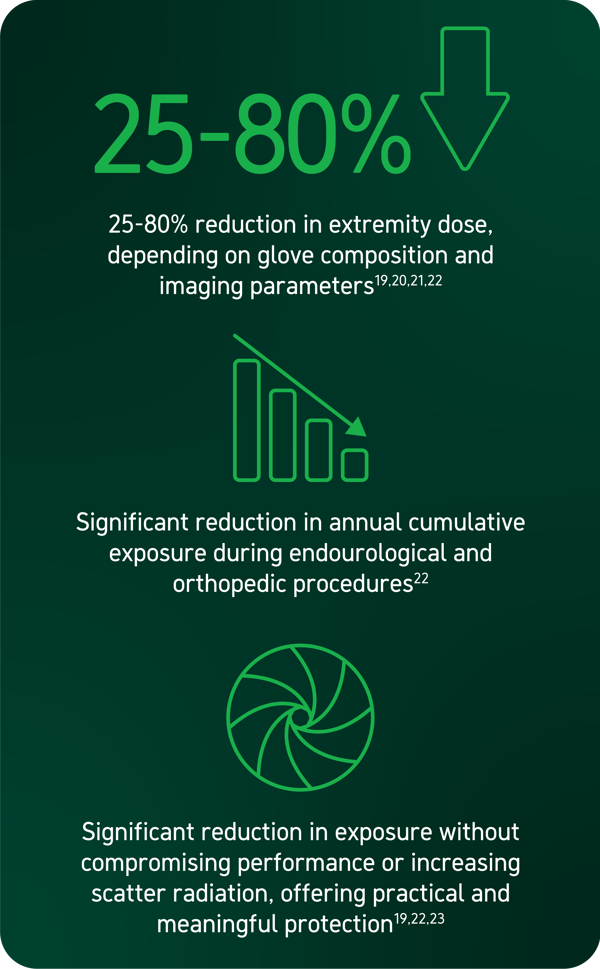
      • Use radiation-attenuating gloves as part of standard protective practice19,20,21,22

    1. Garg T, Shrigiriwar A. Radiation protection in interventional radiology. Indian J Radiol Imaging. 2022;31(4):939-945.
    2. Hirshfeld JW Jr, Ferrari VA, Bengel FM, et al. Optimal use of ionizing radiation in cardiovascular imaging. J Am Coll Cardiol. 2018;71(24):2811-2828.
    3. Boice JD Jr, Dauer LT, Kase KR, et al. Evolution of radiation protection for medical workers. Br J Radiol. 2020;93:20200282.
    4. Mahesh M, Ansari AJ, Mettler FA Jr. Patient exposure trends in radiologic procedures. Radiology. 2023;307(1):e221263.
    5. Hafez MA, Smith RM, Matthews SJ, et al. Radiation exposure to the hands of orthopaedic surgeons: are we underestimating the risk? Arch Orthop Trauma Surg. 2005;125:330-335.
    6. Chapman T, Martin DP, Williamson C, et al. Mini C-arm fluoroscopy: does its configuration matter for radiation exposure to the surgeon? HAND. 2018;13(5):552-557.
    7. Hizukuri K, Fujibuchi T, Arakawa H. Directional vector visualization of scattered rays in mobile C-arm fluoroscopy. Radiol Phys Technol. 2024;17:288-296.
    8. Koenig TR, Wolff D, Mettler FA, Wagner LK. Skin injuries from fluoroscopically guided procedures. AJR Am J Roentgenol. 2001;177(1):3-11.
    9. Milder CM, Borrego D, Preston DL, et al. Occupational radiation dose trends in U.S. radiologic technologists assisting with fluoroscopically guided interventional procedures, 1980–2020. J Vasc Interv Radiol. 2024;35(7):1057-1065.e4.
    10. Andreassi MG, Piccaluga E, Guagliumi G, et al. Occupational health risks in cardiac catheterization laboratory workers. Circ Cardiovasc Interv. 2016;9(4):e003273.
    11. Asari T, Rokunohe D, Sasaki E, et al. Occupational ionizing radiation-induced skin injury among orth opedic surgeons: a clinical survey. J Orthop Sci. 2022;27(1):266-271.
    12. Chen R, Joo EH, Baas C, et al. Reducing hand radiation during renal access for percutaneous nephrolithotomy: a comparison of radiation reduction techniques. Urolithiasis. 2024;52(1):27.
    13. Smith KM, Duplantier NL, Crump KH, et al. Fluoroscopy learning curve in hip arthroscopy: a single surgeon’s experience. Arthroscopy. 2017;33(10):1804-1809.
    14. Becker FB, Blunck C, Figueira C, et al. Radiation exposure of medical staff: application of hand phantoms in experiments and simulations. Safety Engineering. 2012;2(2):99-108.
    15. Hijikata Y, Yamashita K, Hatsusaka N et al (2025) Prevalence of cataractous changes in the eyes and chronic inflammatory changes in the hands among spine surgeons. J Bone Joint Surg Am; 107(7):e25. doi:10.2106/JBJS.24.00433Bray FN, Simmons BJ, Wolfson AH, Nouri K. Acute and chronic cutaneous reactions to ionizing radiation therapy. Dermatol Ther (Heidelb). 2016;6:185-206.
    16. Bray FN, Simmons BJ, Wolfson AH, Nouri K. Acute and chronic cutaneous reactions to ionizing radiation therapy. Dermatol Ther (Heidelb). 2016;6:185-206.
    17. Occupational Safety and Health Administration. Ionizing radiation standards. United States Department of Labor.
    18. International Commission on Radiological Protection. 1990 Recommendations of the International. Commission on Radiological Protection. ICRP Publication 60.
    19. Cantlon MB, Ilyas AM. Assessment of radiation protection in hand-shielding products with mini C-arm fluoroscopy. Hand (N Y). 2021;16(4):505-510.
    20. Virk MS, et al. Evaluation of radiation exposure to the surgeon’s hands during fluoroscopically assisted procedures using radiation-attenuating gloves. J Am Acad Orthop Surg Glob Res Rev. 2022;6(7):e22.00060.
    21. Acho S, Tsoka-Gwegweni J, Stofile C, Banda K, Theron T, Struwig V. Influence of radiation dose reduction gloves on exposure parameters during mobile C-arm fluoroscopic procedures: a phantom study. 2023;29:539-545.
    22. Emiliani E, Bravo-Balado A, Ruiz-Martinez A, et al. Radiation exposure using leaded versus regular latex surgical gloves in endourological procedures: a prospective comparative study. Urolithiasis. 2025;53(1):26.
    23. Wagner LK, Mulhern OR. Radiation-attenuating surgical gloves: effects of scatter and secondary electron production. Radiology. 1996;200(1):45-48.

Select country

Get knowledge, learn about our products, get support and more.

United States

No markets

Find jobs, our financial reports and more.

Mölnlycke corporate