Diabetic foot ulcer solutions
Treating diabetic foot ulcers
Managing diabetic foot ulcers
At Mölnlycke we offer a streamlined portfolio of easy-to-use products for effective management of DFUs.
-
How to manage diabetic foot ulcers
-
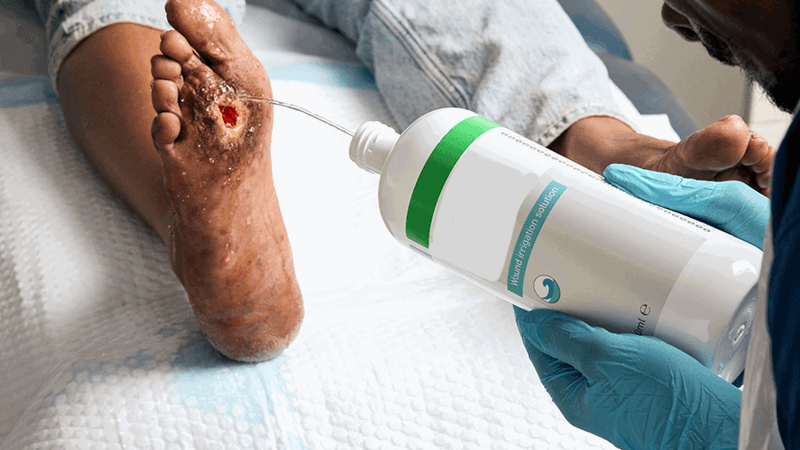
Cleanse
A healthy wound bed is essential to the wound healing process. Select a gentle skin cleanser with a pH close to that of the skin to cleanse the wound bed and surrounding skin.
-
-
-
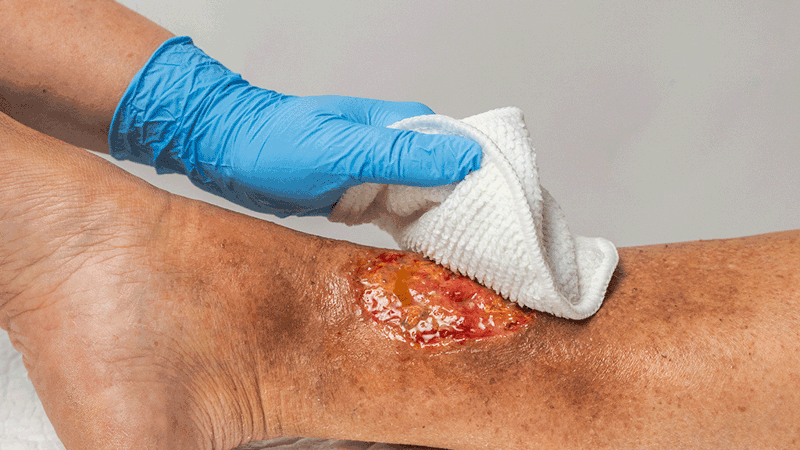
Debride
Debridement is essential in wound bed preparation. Mechanical debridement pads can help you remove slough and debris.
-
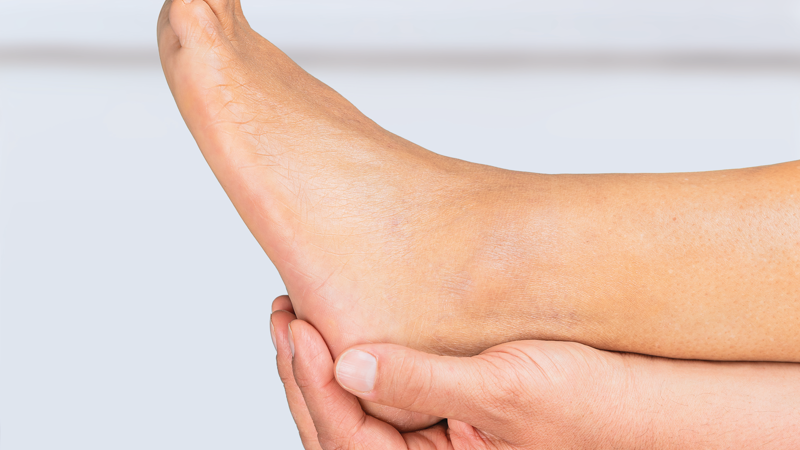
Oxygenate
Oxygen is an important requirement in the complex process of wound healing. Addressing oxygen deficiency through topical oxygen therapy can help improve wound healing outcomes.
-
-
-
Manage infection
Infection is an ever-present risk and serious complication of chronic wounds. It causes patients additional pain and discomfort, can delay wound healing and lead to hospital readmittance.
-
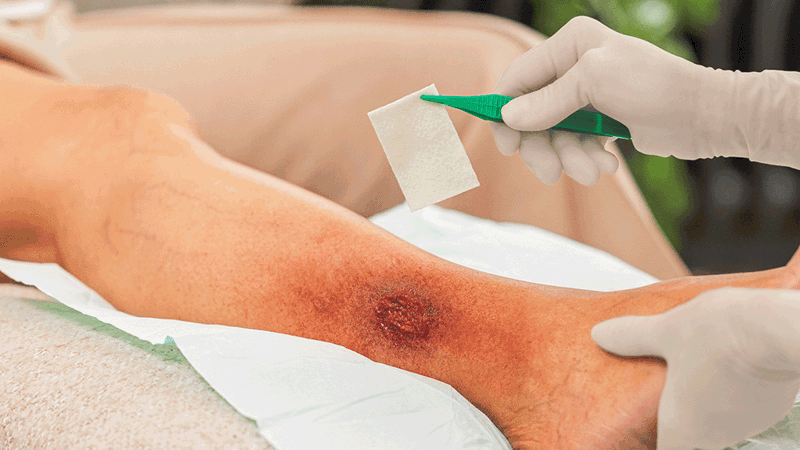
Dress
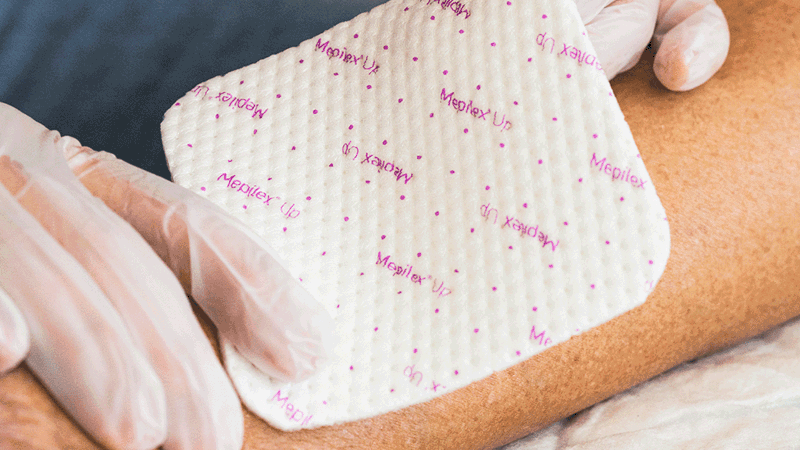
Choice of dressing matters, especially in difficult-to-dress areas. The correct dressing should manage exudate, protect the wound and ensure patient comfort to help promote optimal wound healing conditions.
-
-

-
Offloading
Offloading is essential in DFU treatment. Encourage patients to use pressure-relieving footwear as appropriate.


Learn more about diabetic foot ulcer management
-
Wound Care For All
A selection of effective and easy to use guides to support the management of hard to heal wounds, for nurses, non-medical caregivers and patients.
Learn more about Wound Care For All -
Explore, learn and more
Access expert-led training and resources designed to improve patient care. Click to visit Clinical Learning and start learning.
Learn more
Related articles
-

Article|5 min Diabetic foot ulcers: Causes, risks, and epidemiology
Examining the causes, risk factors, and epidemiology of diabetic foot ulcers (DFUs), a serious complication of diabetes, and approaches to prevention and management period.
- Diabetic foot ulcers
-

Article|4 min Diabetic foot ulcers: Treatment, management, and care
Examining how diabetic foot ulcers are diagnosed, treated, and managed, taking a holistic approach to the patient’s individual wound and needs.
- Diabetic foot ulcers
-
Watch video
Article|5 min Topical oxygen therapy with Granulox®
- Diabetic foot ulcers