This Worldwide Stop Pressure Injury Day, turn knowledge into action.
Join Mölnlycke and leading clinicians in raising awareness, sharing evidence-based insights, and exploring proven solutions that help prevent pressure injuries before they start.
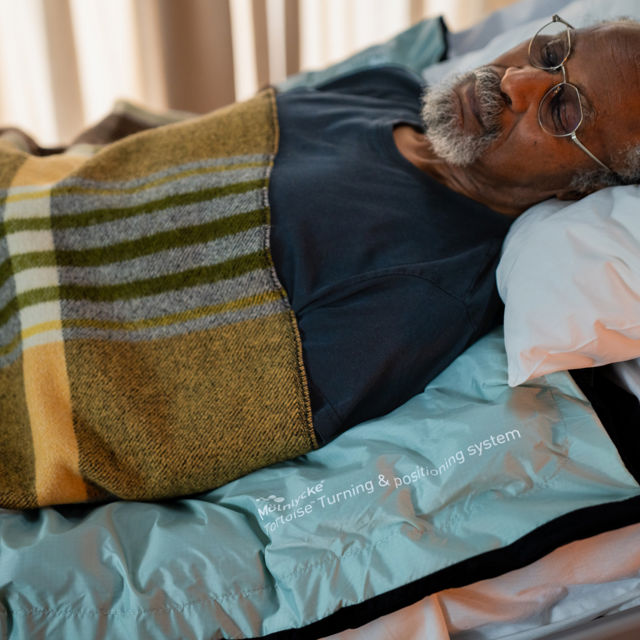
About 13% of patients staying overnight in Australian hospitals will suffer a pressure injury, costing Australian public hospitals $9.11 billion annually1. This Stop Pressure Injury Day (Thursday 20 November) serves as a stark reminder that pressure injuries are more than wounds. They impact clinical care, human dignity, and health care facilities’ efficiency.
-
Physical and emotional toll
Patients may suffer lasting physical, emotional, and financial consequences, while healthcare facilities bear heavy financial costs, risks to their reputation and workforce stress.
-
Increased Costs
With extended hospital stays accounting for $3.60 billion and treatments costing $3.59 billion1, what can health professionals and administrators do to alleviate the burden?
-
Prevention programs
Wound care experts tell us that reducing the burden of pressure injuries requires a comprehensive, compassionate approach that prioritises prevention while also addressing the real-world limitations of patients and care systems.
Here, you can find expert insights on the complex burden of pressure injuries, as well as a Q&A forum that addresses the critical issue of using evidence-based approaches to pressure injury prevention.
Watch wound experts discuss their experience of the impact of pressure injuries on patients and health facilities and learn about the evidence-backed products that could really make a difference to you, your protocols and your patients.
The burden of pressure injuries is greater than you think
Despite advancements in prevention and treatment, pressure injuries have serious clinical and economic consequences – not to mention a profound impact on patients. Three wound experts share their views.

Expert insights: Why evidence-based approaches matter more than ever in pressure injury prevention
In this Q&A, leading wound experts, including Professor Michelle Baraket-Johnson, outline the critical importance of using evidence-based approaches to pressure injury prevention and offer tips on choosing wound care that’s been proven to work.
Why empowering nurses makes all the difference
Wound experts Sarah Sage and Professor Michelle Barakat-Johnson discuss the critical role nurses play in the prevention and evidence-based management of pressure injuries
Download a copy of the Quick Guide to Pressure Injury Management by the Pressure Injury Treatment Advisory Group (PITA).
Download hereSome of the challenges surrounding pressure injury prevention
How can clinical staff gain endorsement for pressure injury initiatives from hospital executives and policy-makers? Get practical tips and insights from Michelle Barakat-Johnson, Professor of Wound Care and Skin Integrity at the University of Sydney and Sydney Local Health District.
What is the burden of pressure injuries on patients?
Learn more about the burden on patients from Sarah Sage, Clinical Nurse Consultant Wound Management, the Royal Melbourne Hospital, and Elizabeth Faust, a Wound, Ostomy and Continence Nurse Practitioner from Pennsylvania in the US, as they unpack the complexities of morbidity, mortality and financial costs to patients with hospital-acquired pressure injuries.

Mepilex® Border Sacrum and Mepilex Border Heel
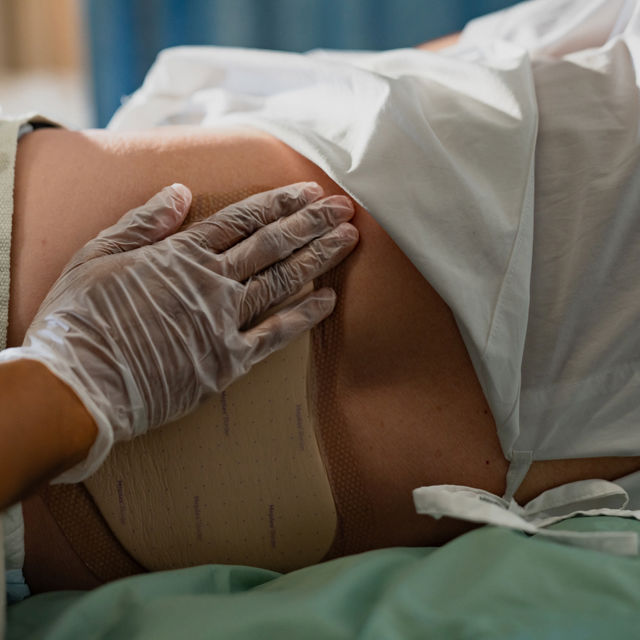
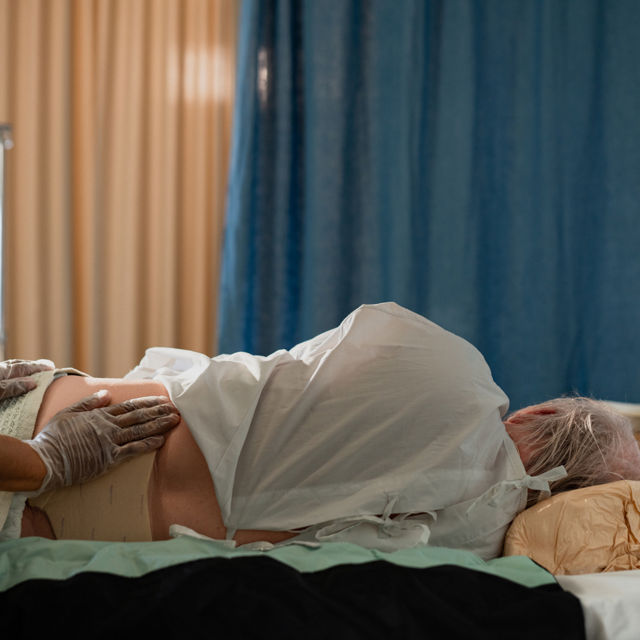
Mepilex® Border Sacrum and Mepilex Border Heel are self-adherent soft silicone dressings designed to be a part of prevention strategies of skin damage, such as pressure injuries and to reduce post-operative blistering.
Mepilex Border Sacrum and Mepilex Border Heel have been designed for wounds that have medium to high levels of fluid and can be used on wounds such as pressure injuries, leg ulcers, foot ulcers, traumatic wounds (e.g. skin tears) and surgical wounds.
Z-Flo™ Fluidized Positioner and Z-Flex™ Heel boot
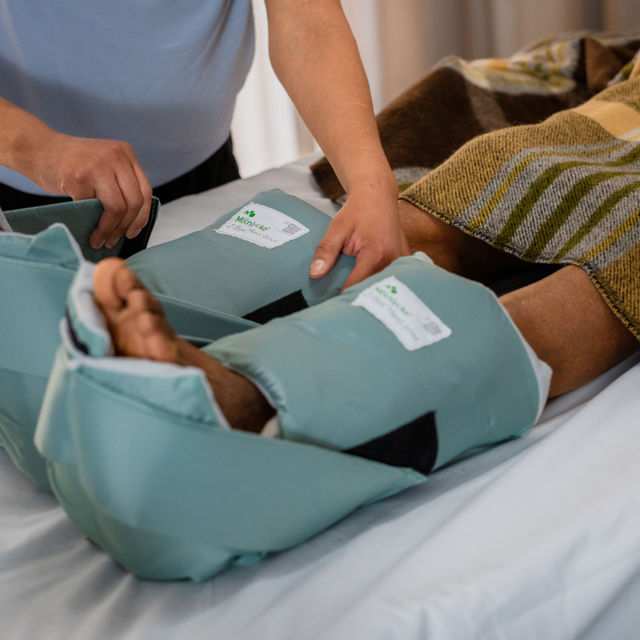
The Z-Flo™ Fluidized Positioner is designed to support patient positioning, provide pressure redistribution, and/or to offload anatomical sites. It may be used as part of prophylactic therapy to help prevent pressure injuries. The positioner consists of a fluidised medium composed of viscous fluid, microspheres and polyethylene beads which are encapsulated in a polyurethane film exterior. The positioner can be moulded to support multiple anatomical shapes and clinical needs.
The Z-Flex™ Heel boot includes a fluidised positioner. This supports the lower leg with a comfortable and anatomically neutral foot position. That foot position is supported by an adjustable ankle positioning strap. So you can customise the position and easily reposition, according to each patient and situation.

Let us help you today
Healthcare professionals can access more information or receive product samples by contacting us.
Disclaimer
Mepilex Border Sacrum and Mepilex Border Heel can be used by lay persons under supervision of Healthcare Professionals. Mölnlycke Z-Flo Fluidized Positioner and Z-Flex Heel Boot are intended for use by healthcare professionals in clinical care environments.
If you are concerned about your wound, please contact your Healthcare Professional.
ALWAYS READ THE LABEL AND INSTRUCTIONS FOR USE IF SYMPTOMS PERSIST CONTACT YOUR HEALTHCARE PROFESSIONAL
-
References
- Nghiem S, Campbell J, Walker RM, Byrnes J, Chaboyer W. Pressure injuries in Australian public hospitals: A cost of illness study. Int J Nurs Stud 2022;130:104191. doi: 10.1016/j.ijnurstu.2022.104191.