Pressure injury vs pressure ulcer
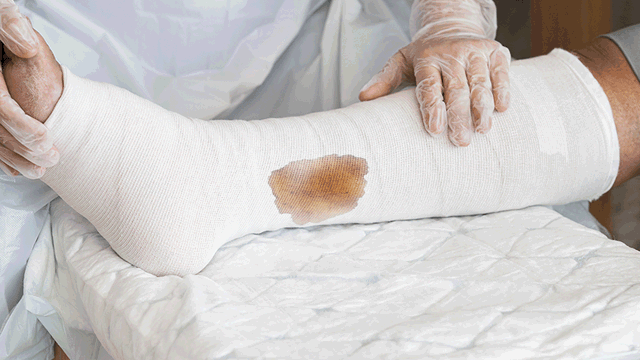
Whether you call it a ‘pressure ulcer’ a ‘pressure injury’, ‘pressure sore’ or ‘bed sore’ depends on where you are in the world. Whatever you call it, the problem is global. Pressure injuries move through stages and can become deep tissue injuries that may require surgery. They are also susceptible to serious complications.
The current guidelines on preventing pressure injuries
There is a range of reputable guidelines, both international and regional, in place. For Europe, as Benedict notes, the first EPUAP guidelines came out in 2009 and have been updated since, in 2019 and 2025. He is positive about the rate of dissemination but has concerns that implementation is more patchy.
For the Asia Pacific region, the first guidelines were the Pan Pacific Pressure Injury guidelines published in 2012. Since that time the European group (EPUAP), North American group (NPIAP) and the Pan Pacific group (PPPIA) have collaborated on global guidelines, the latest published in 20251.
iew the international clinical guidelines on the prevention and treatment of pressure injuries.
Pressure injury prevention strategies
Benedict considers that the most effective strategies for preventing pressure injuries usually involve combining multiple interventions and integrating them into the flow of work.
He acknowledges that it can be difficult to engage the support of non-clinicians, such as procurement and finance managers, whose buy-in is crucial to ensure initiatives are appropriately supported.
Building a positive business case for pressure injury prevention
Benedict suggests directly linking benefits to cost savings to demonstrate the positive financial impact of a pressure injury prevention programme when speaking to procurement and finance specialists. For example, when discussing the impact on length of stay, it is important to draw on data such as the cost-per-day of an inpatient bed.
He also suggests thinking beyond the short-term savings and, wherever possible, exploring the financial impact of improved outcomes in a wider healthcare setting and over a prolonged period.
Collecting data to demonstrate the benefits of pressure injury prevention
Finally, Benedict explains what types of data he believes clinicians should collect and present, both to build the most convincing case and to aid their own understanding of which interventions are most effective.
Watch the interview with Benedict Stanberry
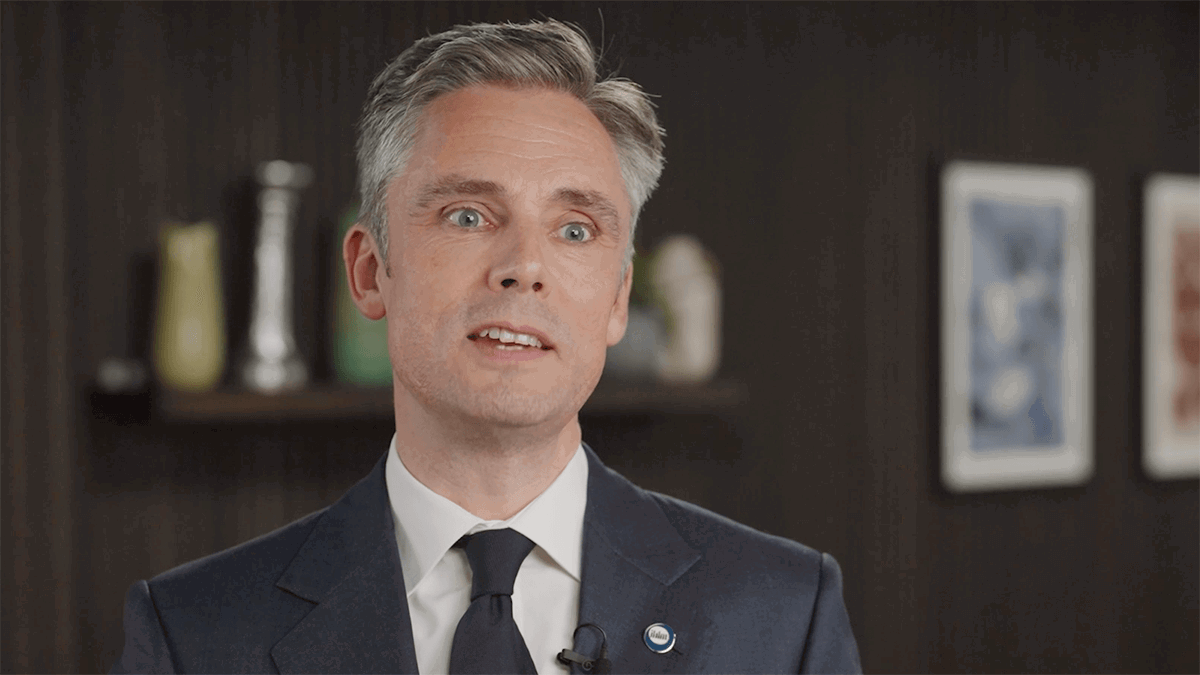
Benedict Stanberry, Founder and director of IHLM, Oxford, UK