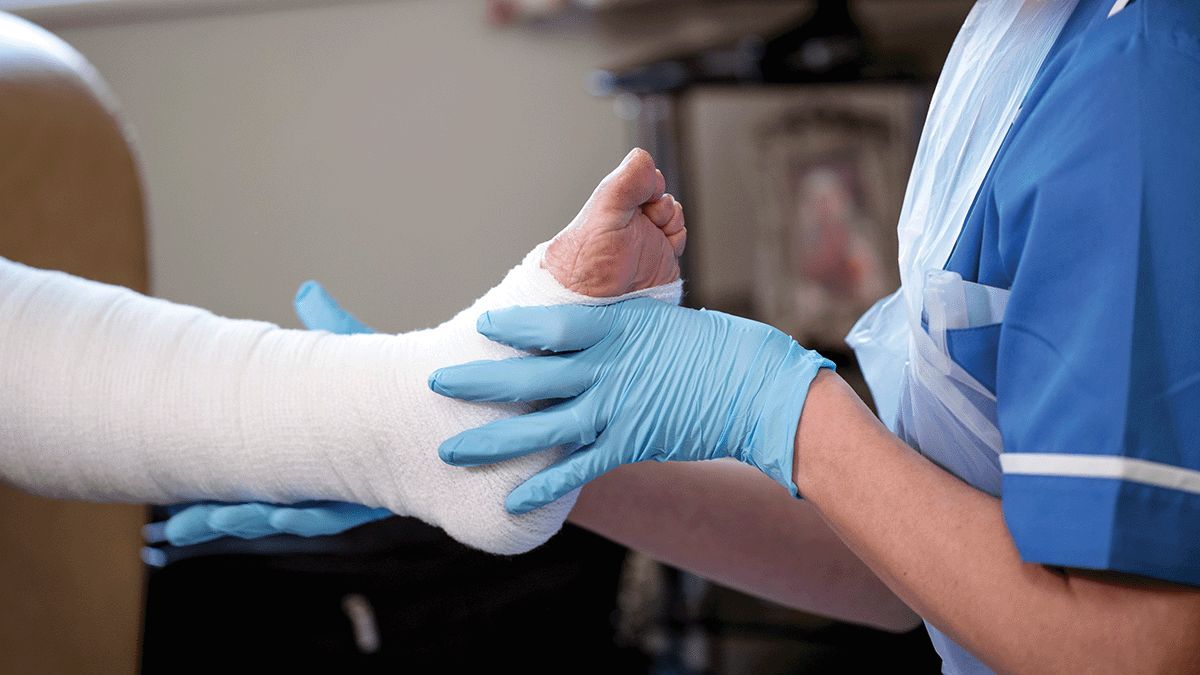
What to Expect
Leaving a dressing in place for as long as possible to allow for undisturbed wound healing is now recognised as the best wound management practice and your clinical team is best able to determine if a dressing needs to be changed.
-
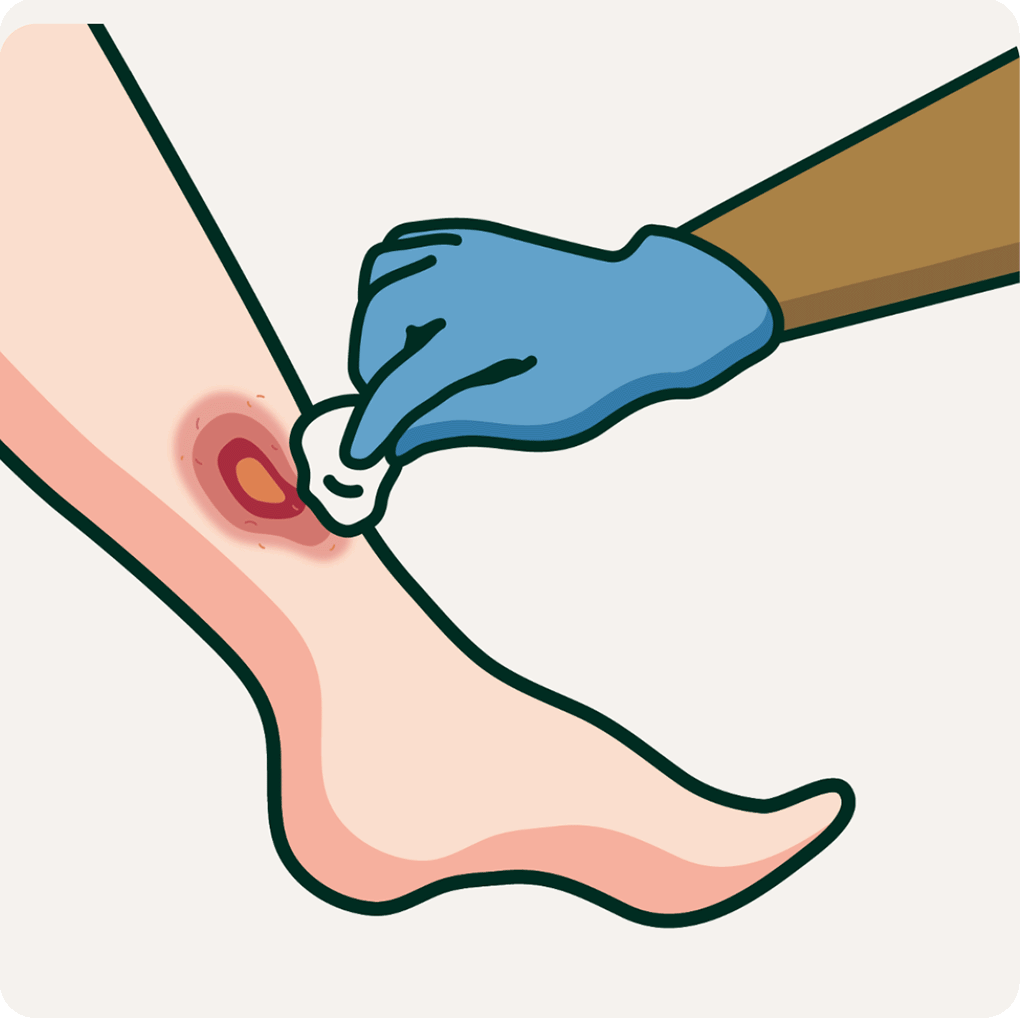
Cleaning and debridement
After removing the old dressing, your nurse will clean the wound and perform debridement to remove any dead tissue. This step helps the wound heal faster and reduces the risk of infection. -
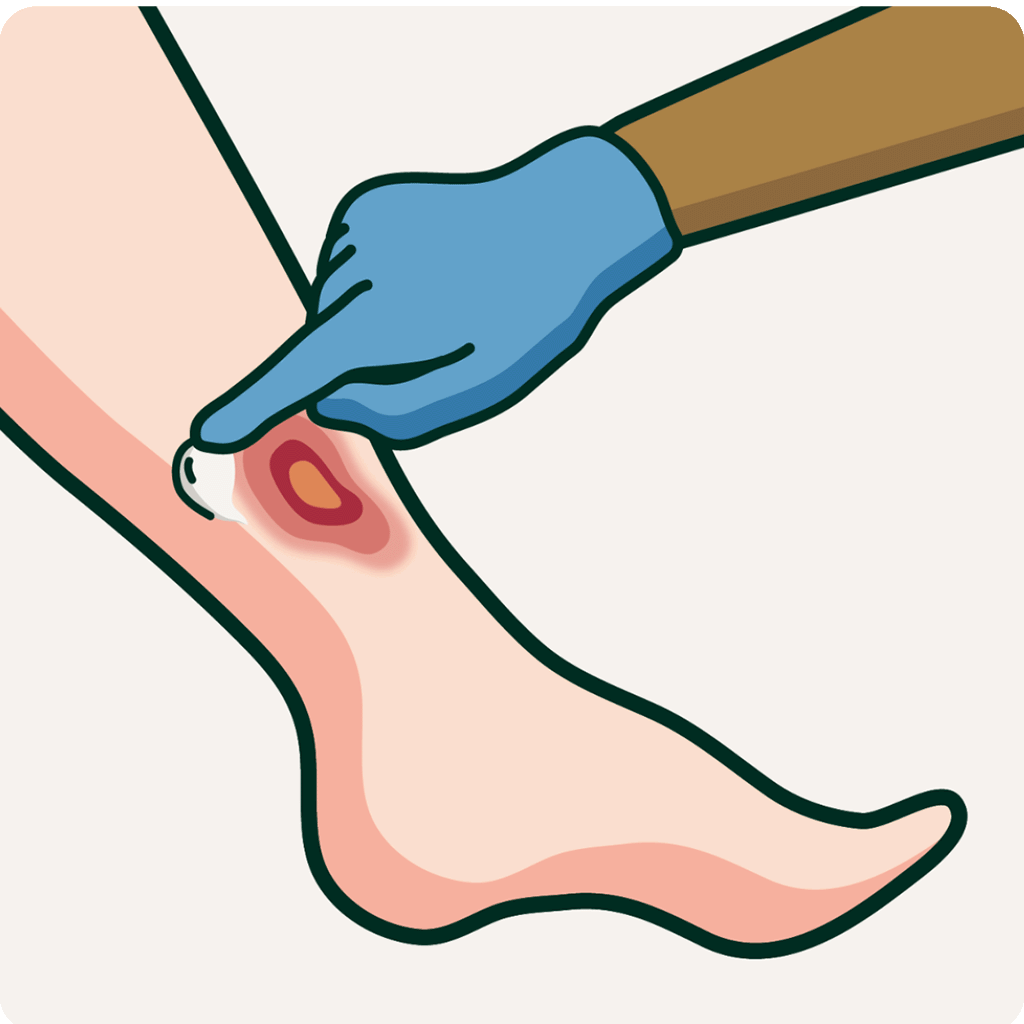
Moisturising the surrounding skin
The skin around the wound will be moisturised to keep it hydrated.
-
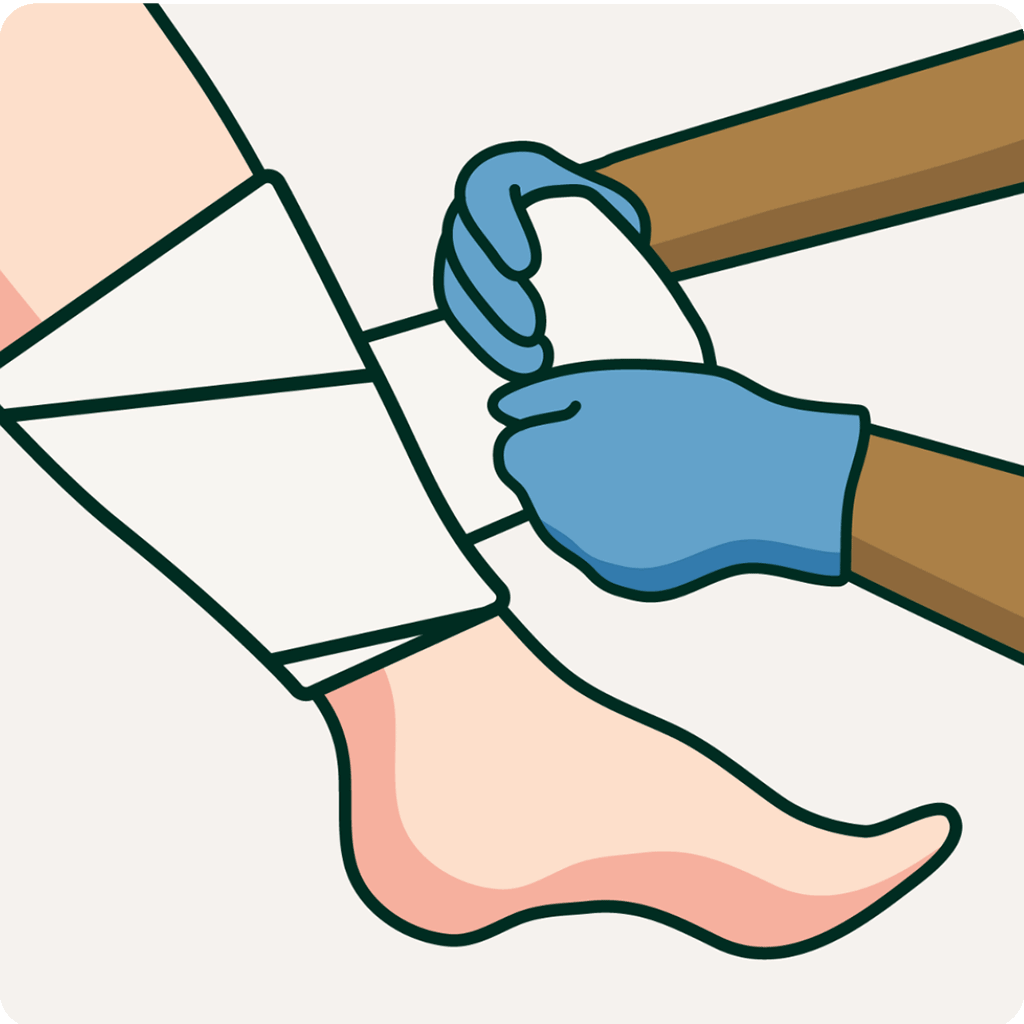
Applying a new dressing
A fresh dressing will be applied to the wound to protect it and help maintain moisture, which is crucial for healing. -
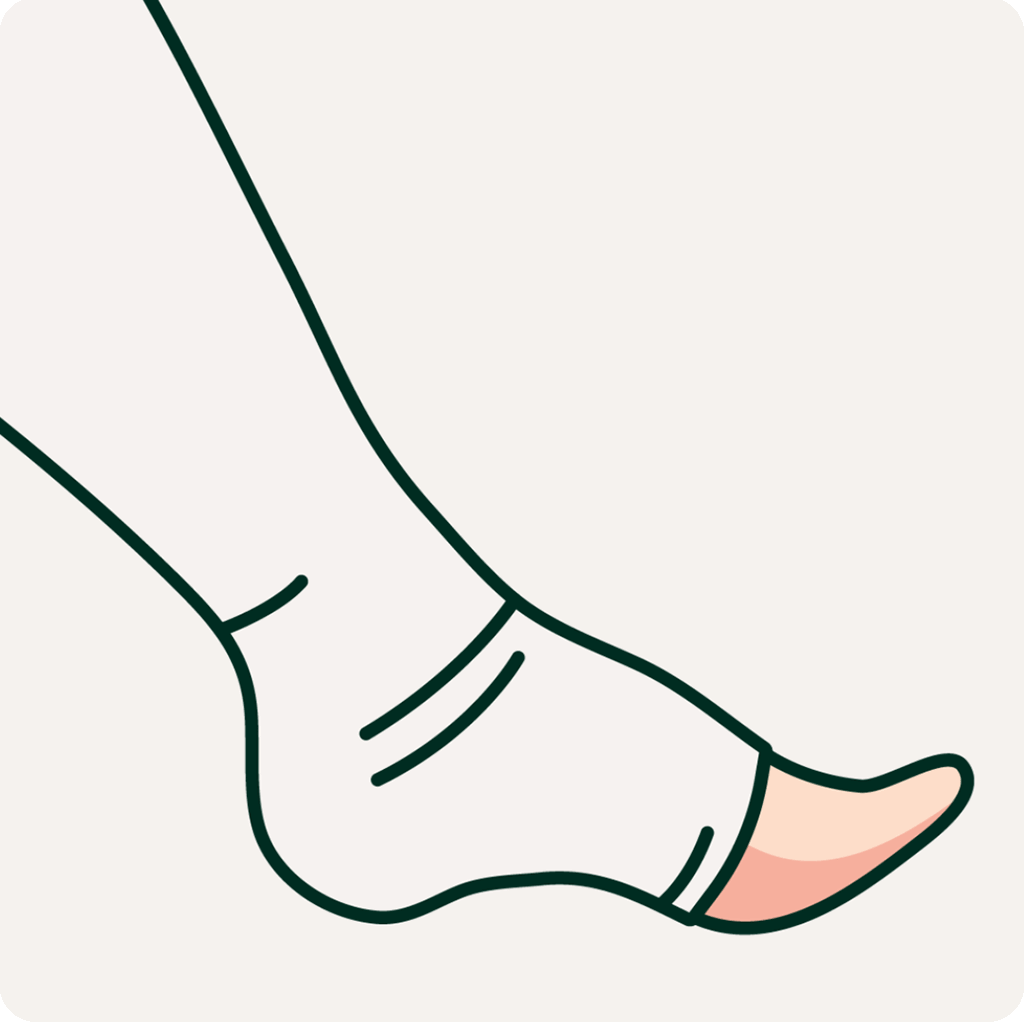
Applying compression
Lastly, if needed, a compression bandage or stocking will be wrapped around the leg to help reduce swelling and improve blood flow.
Changing the dressing at home:
If you need to change the dressing at home, please follow the steps carefully to keep the area clean and protected. Watch the video on how to safely change the dressing.