Burn injuries and burn care
According to the European Burns Association, a burn is a complex trauma that requires multidisciplinary and continuous therapy1. The complexity of burn care is compounded by the high risk of infection for burns injuries, with burn wound infection and sepsis being among the leading causes of morbidity and mortality in burn patients2.
Key burn care and infection prevention strategies
Key strategies for burn care and infection prevention from the European Burns Association's "European Practice Guidelines for Burn Care1" indicate that there are many effective ways to approach minimising the risk of infection in burn care. The Australian and New Zealand Burns association, ANZBA, recommendations reflect a the European guidelines. These include:
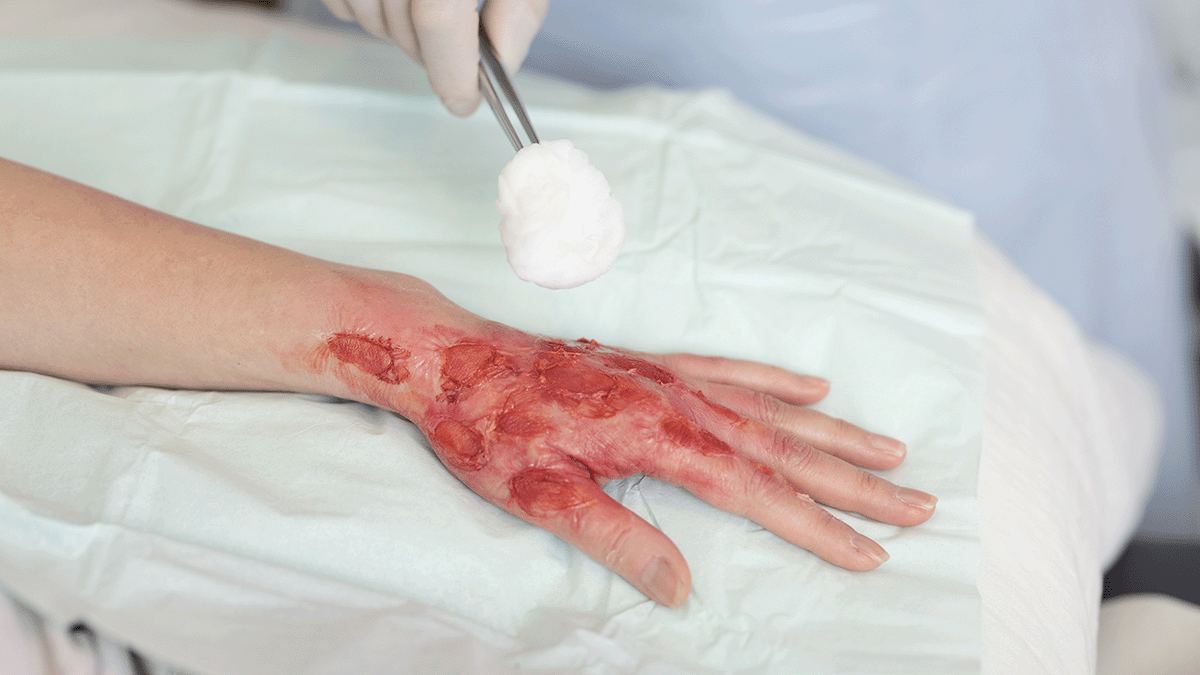
- Rapid initial wound assessment: Prompt and accurate assessment of burn wounds is crucial. Early debridement, the removal of necrotic tissue, reduces the substrate available for bacterial proliferation. The European Practice Guidelines emphasise that "early excision of burn wounds reduces infection rates and improves outcomes1". Following debridement, appropriate wound coverage, whether through dressings or skin grafts, is essential to protect the wound bed from microbial invasion.
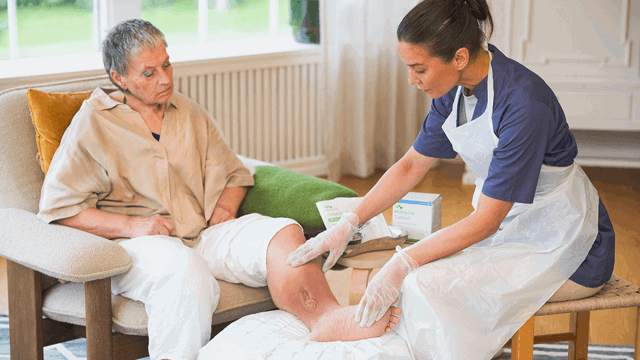
- Hand hygiene and aseptic techniques: Strict adherence to hand hygiene protocols is a cornerstone of infection prevention. Healthcare providers should perform hand disinfection before and after any patient contact. Guidelines recommend that "aseptic techniques must be employed during wound care procedures to prevent cross-contamination2". This includes the use of sterile gloves, instruments, and dressings during wound management.
- Environmental controls: Maintaining a clean and controlled environment in burn units is vital. Guidelines highlight the importance of "regular cleaning and disinfection of surfaces and equipment to minimise environmental contamination2". Implementing isolation protocols for patients with resistant infections and ensuring proper ventilation systems can further reduce the risk of nosocomial infections.
- Surveillance and monitoring: Active surveillance of wound cultures and monitoring for signs of infection enable early detection and intervention. Guidelines recommend that "regular microbiological assessments should be conducted to guide targeted antimicrobial therapy1". Additionally, monitoring patients' clinical signs, such as fever, increased wound exudate, or unexpected pain, can prompt timely investigations and treatment adjustments.
- Antibiotic stewardship: Judicious use of systemic antibiotics is essential to prevent the development of resistant organisms. Guidelines advise that "antibiotic therapy should be guided by culture results and limited to confirmed infections."
- Nutrition: Nutrition supports the immune system and promotes wound healing. Guidelines state that "early nutritional support should be initiated to meet the increased metabolic demands of burn patients". This includes adequate protein intake and supplementation of vitamins and minerals essential for immune function1.
- Patient education: Educating patients and their families about infection prevention measures, such as proper wound care techniques and signs of infection, empowers them to participate actively in their care. Guidelines emphasise that "patient involvement in care can improve compliance with infection control practices1".
- Antimicrobial agents, like silver: Topical antimicrobial agents can play a significant role in preventing wound infections. Silver-based dressings, in particular, have been widely used due to their broad-spectrum antimicrobial properties. The review "Silver in Wound Care—Friend or Foe?3" discusses the efficacy of silver, noting that "silver-containing dressings can reduce bacterial load in wounds". However, it also cautions about potential cytotoxicity, advising that "the benefits of silver must be weighed against possible adverse effects on wound healing". Therefore, the selection of antimicrobial dressings should be individualised, considering factors such as wound size, depth, and the patient's overall condition.
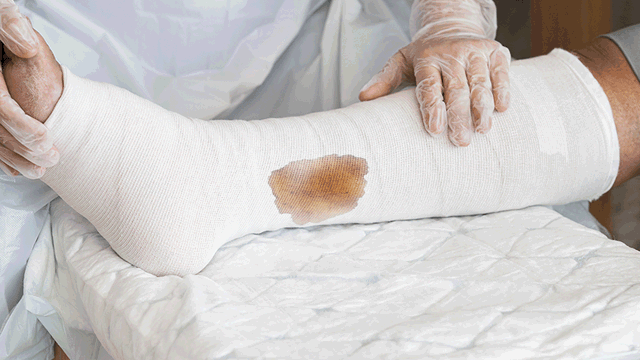
Guidelines recommend antimicrobial dressings for burn wounds at risk of colonisation and infections. Silver sulfadiazine (SSD) cream is a type of antibiotic medication that treats partial-thickness burns but is associated with the worst outcomes in burn treatment in terms of infection and epithelialisation. Meanwhile, dressings containing silver have been found to be superior to SSD and to silver-free dressings for burns in terms of epithelialisation, infection, pain and cost. Proper use of silver-containing dressings is essential for optimal wound healing1. - Rethinking dressing-change protocols: Because dressing use with SSD requires a higher frequency of dressing changes, there is an increased risk of cross-contamination1. Given the increased awareness around supporting undisturbed wound healing, rethinking the frequency of dressing changes and dressing-change protocols is another key strategy for infection prevention.
A multipronged approach to minimising the infection risk in burns
Minimising the risk of infection in burn care requires a multifaceted approach that encompasses careful wound management, adherence to infection control and hygiene protocols, environmental controls, monitoring, prudent antibiotic use, nutritional support, patient engagement and appropriate use of antimicrobial agents, such as silver-containing dressings when beneficial.
By implementing these strategies, healthcare providers can significantly improve outcomes for burn patients, reducing the burden of infections and facilitating optimal healing.