Why is patient engagement important?
The World Health Organisation sees patient engagement as ‘an integral aspect of health care and a critical component of safe, people-centred services’1. The potential benefits of patient engagement include:
- a more positive patient experience overall
- increased patient involvement, which may increase compliance with mutually agreed care plans
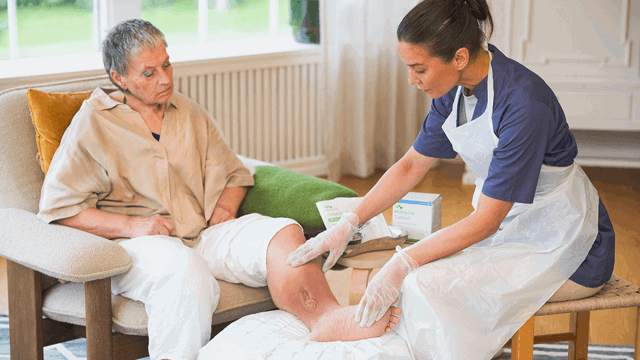
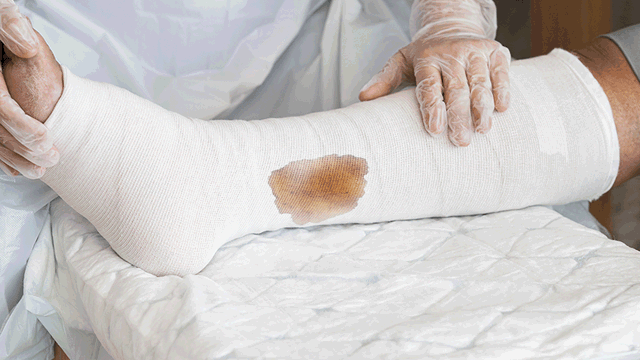
In hard-to-heal wound management, increased patient engagement can mean better adherence to treatment plans, fewer complications and a more effective healing process.
The impact on the wider health community over time is also likely to be positive. Positive patient experiences have been shown to have wider community health impacts and future research is needed to shape and direct healthcare resource use, including priorities of enhancing patient engagement.
How do you foster patient engagement?
As a healthcare professional, how can you ensure patients feel both empowered and supported when they are suffering with hard-to-heal wounds such as venous leg ulcers (VLUs) or diabetic foot ulcers (DFUs)?
There are some key skills and behaviours that can help, including:
- empathy
- patient advocacy
- talking and listening skills
- ability to deal with individuals who may display challenging behaviour
- active listening
- shared decision making
- use of plain language
When developing a care plan, it is vital to use these skills to involve the patient and their familes or caregivers. You can do this by, for example, discussing treatment options at a time and place and in a way that will make it easy for them to understand and retain important information.
When considering a dressing selection, always discuss the patient’s priorities and any lifestyle factors that may affect their choice of the dressing.
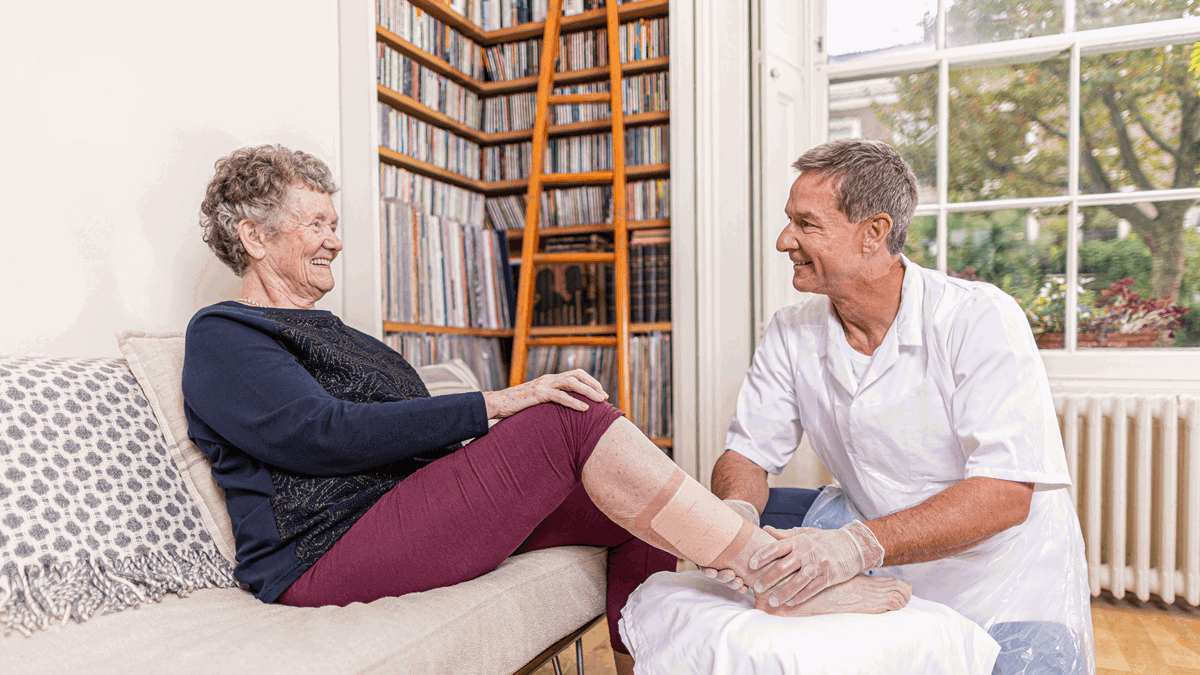
Including patients and their caregivers in the treatment plan is a key aspect of a holistic care approach. This collaboration helps patients better understand their care, leading to improved clinical outcomes and greater patient satisfaction.
In Wound Care For All, we have collected some useful, patient-centric resources that you can use to help engage your patients in their care. You might also want to show patients our article on How to look after your wound.
You can learn more about patient engagement in the care of hard-to-heal wounds in Optimising wound care through patient engagement, a consensus document from the World Union of Wound Healing Societies (WUWHS), supported by an education grant from Mölnlycke® among others.