Revolutionise care for people and planet
Advancing care through proven solutions and shared learning
Mölnlycke® partners with healthcare professionals, caregivers, and patients to deliver proven wound care and surgical solutions - improving outcomes for people and planet.

In focus
Explore what's new at Mölnlycke
-
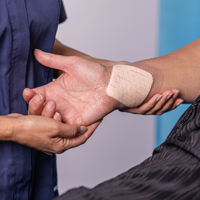
Rethink your incision. Rethink your decision.
Post-operative dressing choice is not a routine step. It is a clinical decision that directly influences healing, protection and patient experience.
Learn more about the importance of incision care -
How we're innovating in the operating room
Discover how Easywarm® single-use active warming blanket, helps prevent peri-operative hypothermia.
Read the article
Heal right at home with hospital-quality wound care
Wound dressings can play a crucial role in your healing journey by protecting your wound, promoting the right healing environment and preventing complications such as infections.
Whether you’re a healthcare professional or you’re healing at home, quality wound care matters.
How can we help you today?
Choose the path that best fits your role and we'll connect you to resources designed to support your work.
-

Deliver better wound healing
Explore dressings, clinical guidance and education that help you support your patients through every step of their wound healing journey.
-

Caring for wounds at home
Find simple, effective products and tips to support healing at home. All of our products are available to to buy online, either direct from us via Amazon, or through our trusted wound care partners.
-
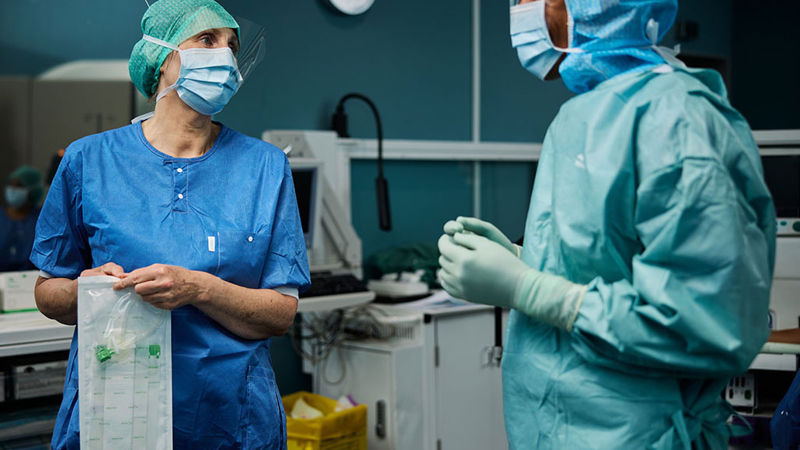
Confidence in every procedure
Discover our range of surgical solutions that protect patients and enable teams to work safely and efficiently.
-

Partnering for sustainable healthcare
Sustainability is a strategic priority at Mölnlycke. Through our WeCare roadmap, we're working toward a more sustainable, efficient healthcare system - creating shared value for people and planet.
Learn. Share. Advance Care.
Access articles, videos and certified clinical training designed to help you stay informed and inspired in wound care and surgery.
Explore EducationDriving sustainable healthcare for people and planet
-
0years of innovation in healthcare solutions
-
0countries using our products
-
0manufacturing sites across nine countries
-
0globally ranked for sustainability (EcoVadis Platinum 2024)
-
0employees working to advance care globally
-
0renewable electricity at all manufacturing sites and HQ
We're here to help
Need guidance on product selection, education, or partnership opportunities? Our team is here to help you find the right solution.
Contact our teamExplore articles, videos and resources
See all-

Surgical | 4 min read Understand your CO2 impact and drive your sustainability journey
Understand the environmental impact of your surgical CO2 output as we help you calculate your OR carbon footprint and contribute to circularity
-
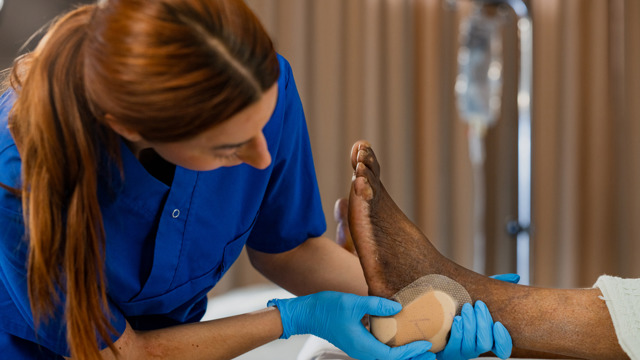
Wound care | 3 min read Preventing pressure injuries in the operating room (OR): Practical steps for nurses and nurse managers
As part of a series on pressure injury prevention in the operating room, Mölnlycke® spoke to a group of specialist nurses and nurse educators. They shared their knowledge and offered tips for nurses and nurse managers to make pressure injury prevention in the OR a success.
-
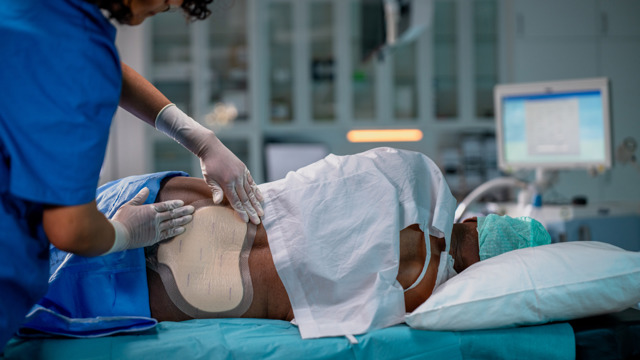
Wound care | 3 min read Setting up and running an OR PIP programme
As part of a series on pressure injury prevention in the operating room, Mölnlycke® spoke to a group of specialist nurses and nurse educators. They shared their advice on how to get buy-in and run a successful OR pressure injury prevention programme.
-
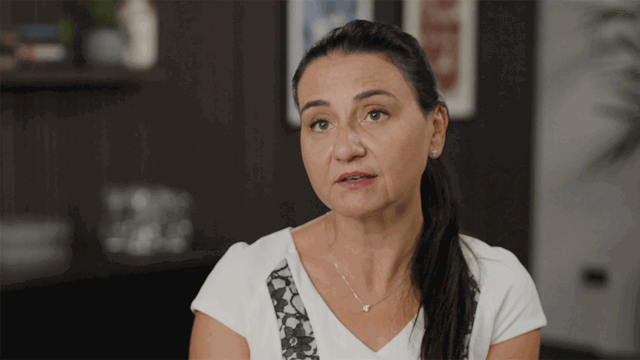
Wound care | 3 min read Expert interview: How to get the support of hospital executives for pressure injury prevention interventions
Mölnlycke® recently spoke to a doctor in Australia and a professor of nursing in the Czech Republic to learn how clinicians can best go about getting endorsement from hospital executives for pressure injury prevention interventions.
-

Wound care | 2 min read Pressure injury prevention in the Operating Room (OR): Assessing patient risk
As part of a series on pressure injury prevention in the operating room, Mölnlycke® spoke to a group of specialist nurses and nurse educators. They shared their knowledge and offered insights into which factors can increase a patient’s risk of pressure injury during surgery.
-
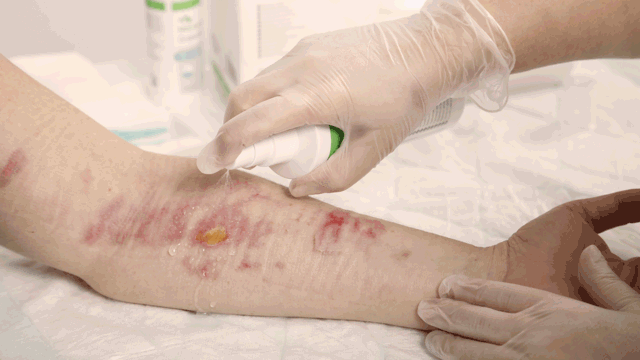
Wound care | 3 min read Wound cleansing and irrigation are a prerequisite for healing: how to clean wounds, why it matters, what type of solution to use
Without wound cleansing, which includes irrigation or mechanical rinsing of the wound bed, healing may be severely compromised. This vital aspect of wound care is the first step in promoting the natural healing process.
-
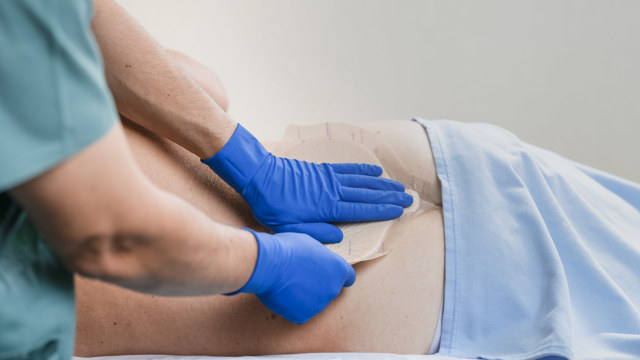
Wound care | 1 min read Management of pressure injuries
For patients with a pressure injury, it is essential to conduct an ongoing risk assessment using a validated pressure injury risk assessment scale.
-
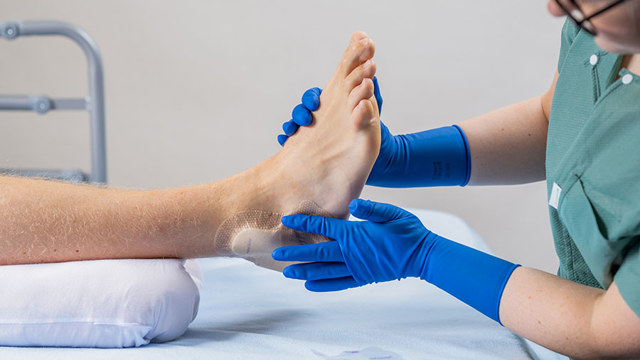
Wound care | 3 min read Pressure injury (PI) wound assessment and staging*
Pressure injury severity assessment is based on the International NPIAP/EPUAP/PPPIA pressure injury classification system and requires the clinician to determine the depth of the injury based on visual inspection of the wound.
-
Wound care | 4 min read Topical oxygen therapy with Granulox®
Watch video
Latest news
Read all news-
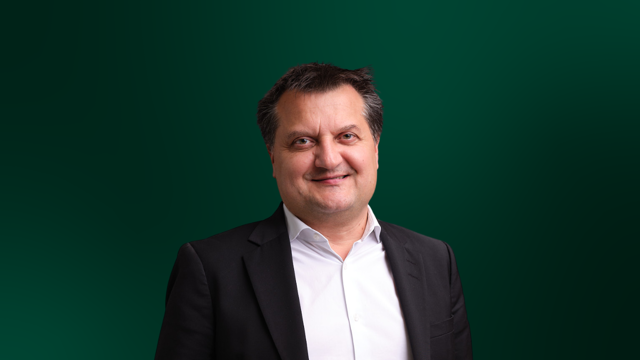
Mölnlycke Health Care AB: CEO, Zlatko Rihter, announces resignation, Guillaume Joucla appointed interim CEO
Tue, Mar 24, 2026 Today, it was announced that Zlatko Rihter, CEO of Mölnlycke Health Care, has informed the Board of Directors of his decision to resign. Following his decision, Guillaume Joucla, Chief Financial Officer, has been appointed interim CEO of Mölnlycke Health Care. Mölnlycke’s Board has initiated the recruitment process for a permanent CEO.
-
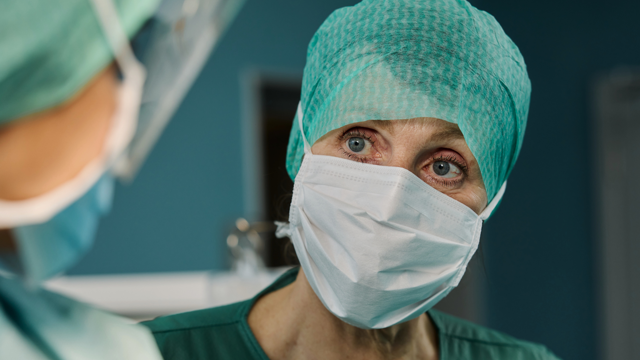
High burnout among operating room staff poses significant risk to patient safety—new review reveals
Gothenburg, Sweden. 17 September 2025. A new narrative review published in the current issue of Journal of Patient Safety, titled ’Putting Patients at Risk: The Effect of Health Care Provider Burnout on Patient Care in the Operating Room’ reveals alarmingly high levels of burnout among healthcare workers in operating rooms (ORs) and warns of the serious implications for staff well-being, care quality and ultimately patient safety.
-

Filippa Stenberg joins Mölnlycke Board of Directors
-
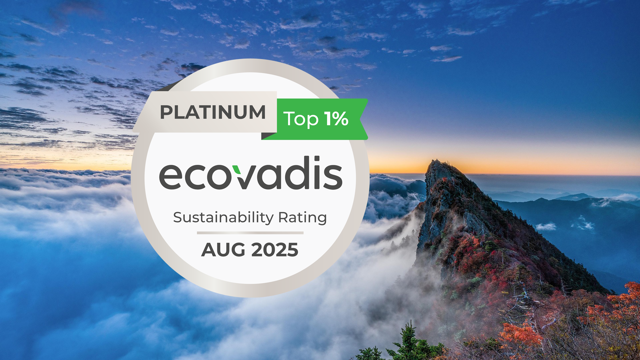
Mölnlycke awarded second consecutive EcoVadis Platinum medal for sustainability performance
Gothenburg, Sweden. 21 August 2025. Mölnlycke®, a world-leading MedTech company, has once again been recognised as a global sustainability leader, earning the prestigious EcoVadis Platinum medal for the second year in a row.
-

EUR bond issue and tender announcement
Mölnlycke intends to issue a new 10-year EUR bond and launches a tender offer for the outstanding EUR 500m bond due February 2025.
-
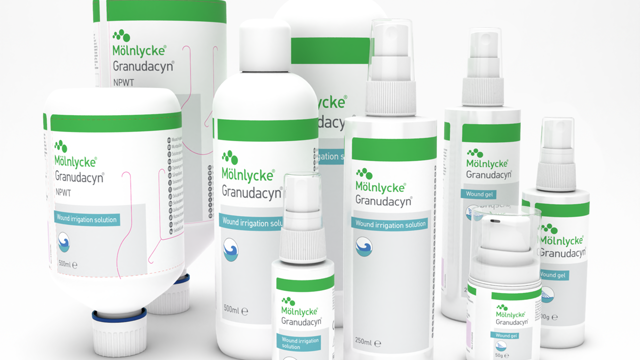
Mölnlycke Health Care agrees to acquire leading wound cleansing manufacturer to consolidate its position as global leader in wound care
Mölnlycke signed an agreement to acquire P.G.F. Industry Solutions GmbH, the manufacturer of Granudacyn®, a range of solutions for wound cleansing and moisturizing.
-
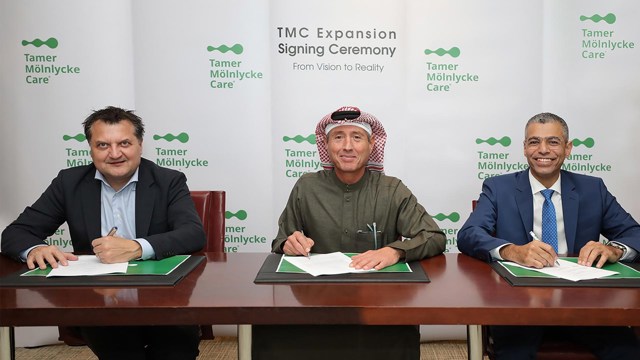
Mölnlycke Health Care expands investment in Tamer Mölnlycke Care joint venture
Mölnlycke Health Care, a world leading MedTech company, has expanded its commitment to operations in the Middle East by extending its stake from 33.3% to 60% to become majority shareholder in Tamer Mölnlycke Care - a joint venture with Tamer Group, the market leader in healthcare distribution in the Kingdom of Saudi Arabia.
-

Mölnlycke signs a EUR 350 million revolving credit facility
On 28 April 2023, Mölnlycke entered into a new EUR 350 million multicurrency revolving credit facility. The facility has a tenor of five years with two one-year extension options and will be used as a backup for general corporate purposes. The facility is a refinancing of the existing and undrawn revolving credit facility signed in 2017.
-

In 2023 Mölnlycke was awarded a gold medal for Sustainability by EcoVadis
The world’s largest and most trusted provider of business sustainability ratings - EcoVadis, has awarded Mölnlycke a gold medal for our focus on sustainability. They have ranked us in the top 3% of companies worldwide.