Improving healing outcomes and reducing complications
Experience moving patient and clinician testimonials that reveal the personal and clinical impact of diabetic‑related foot ulcers.
Treating diabetic foot ulcers
Explore the step‑by‑step approach to effectively treating diabetic foot ulcers.
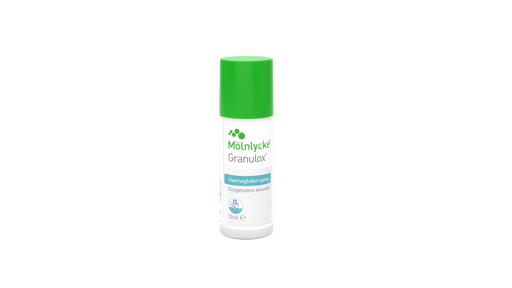
Topical haemoglobin spray Granulox
By integrating Granulox into diabetic foot ulcer management, healing rates can be improved.
Studies report that using Granulox results in shorter healing time, reduced pain scores and total cost savings for healthcare providers compared to standard of care.
-
Wound Care For All
A selection of effective and easy to use guides to support the management of hard to heal wounds, for nurses, non-medical caregivers and patients.
Learn more about Wound Care For All -
Explore, learn and more
Access expert-led training and resources designed to improve patient care. Click to visit Clinical Learning and start learning.
Learn more

Related articles
Read all-
Wound care | 1 min read What can I do to support my venous leg ulcer?
While your nurse or doctor helps you with the right treatment plan for your venous leg ulcer, the choices you make every day at home can support healing. Small, consistent actions and daily choices to help your leg ulcer healing at home will improve your health and wellbeing. Maintaining healthy habits, such as eating and drinking well and staying active, can help reduce the risk of your venous leg ulcer recurring after it has healed.
-
Wound care | 1 min read Why compression therapy is important
You may be wondering why you need compression therapy. Compression therapy is a key phase for venous leg ulcer treatment because it improves blood flow, reduces swelling, and helps the ulcer to heal. Wearing your compression therapy as advised by your doctor or nurse can also help reduce the risk of ulcers returning.
-
Wound care | 1 min read Signs of an infected venous leg ulcer
What is a venous leg ulcer? A venous leg ulcer is an open wound on your lower leg or ancle that hasn't healed after two weeks. It can happen if veins in the legs are weakened. Our veins carry blood back to the heart, with the help of small valves to keep it flowing in the right direction.
-
Wound care | 5 min read Safetac®: the innovation that changed wound care forever
With the invention of Safetac, Mölnlycke revolutionised wound care, introducing a range of groundbreaking dressings specifically designed to minimise pain at dressing change. Discover how Safetac technology can benefit you and your patients.
-
Wound care | 4 min read Diabetic foot ulcers: Treatment, management, and care
Examining how diabetic foot ulcers are diagnosed, treated, and managed, taking a holistic approach to the patient’s individual wound and needs.
-
Wound care | 5 min read Diabetic foot ulcers: Causes, risks, and epidemiology
Examining the causes, risk factors, and epidemiology of diabetic foot ulcers (DFUs), a serious complication of diabetes, and approaches to prevention and management period.
-
Wound care | 1 min read How can I tell if I have an infection?
-
Wound care | 2 min read Support your healing by making the right choices
-
Wound care | 1 min read Why is compression important?