Wound Care For All
Start my healing journey
What steps can I take to aid better healing?
You will find simple and helpful information here to guide you through your healing journey. Venous leg ulcers may take time to heal and can reoccur due to the underlying vein condition. Regular care is important to support your healing and overall well-being. You are not alone—taking small steps each day can make a difference!
Wound Stories: Living with venous leg ulcers
This touching short film shares the experiences of people living with venous leg ulcers. They open up about the pain, the sense of isolation, and their hopes for a better future. It's a glimpse into their daily struggles and the strength they find to keep moving forward.
-
What's a venous leg ulcer?
Many people can suffer from venous leg ulcers and they usually develop due to poor blood circulation in the legs. Over time, this leads to swelling. skin changes, and eventually, a painful wound.
Learn more -
Why is compression important?
Compression therapy is the most effective treatment for venous leg ulcers. It applies gentle pressure to your legs, to help reduce swelling, support healing and prevent future ulcers. Learn more about the benefits.
Learn more
-
What can I do to help healing my venous leg ulcer?
Discover how you can play an active role in healing your venous leg ulcer. From daily choices to supportive treatments, learn simple yet effective ways to improve your recovery, with insights from patients and nurses.
Learn more -
Dressing change
The frequencies of dressing change varies, and it is important that you follow your nurse or doctor recommendation. Leaving a dressing in place can support the healing process.
Learn more
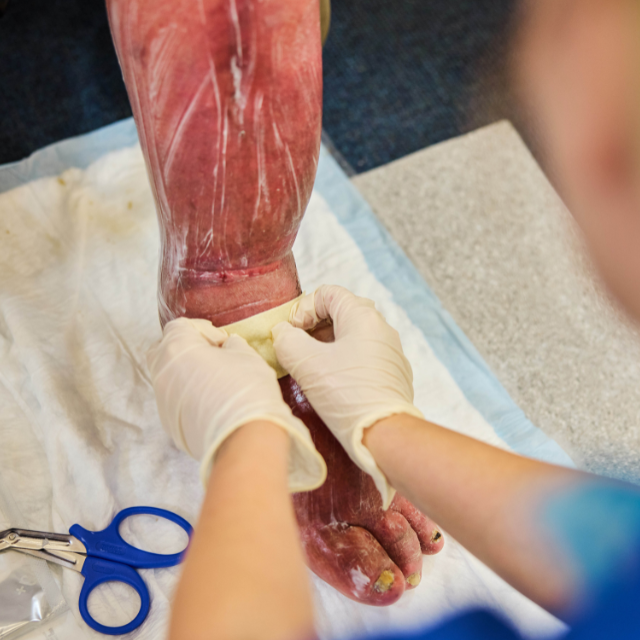
How can I tell if I have an infection?
It can sometimes be difficult to tell if your wound is infected, so it's important to recognise the signs and symptoms and know when to seek help. Learn more about the possible signs of infection.
Watch Janette´s healing story
"It started when I woke up one morning doing my normal routine, changing my dressing, then one of my veins popped. I got scared because this one was serious."
Watch Janette´s healing story.

Your choice is important
You have the opportunity to make a change that can significantly impact your healing journey. Eating well is a simple yet powerful way to help your body heal, reduce swelling, and strenghten your immune system. Staying active improves blood flow and prevents further complications. Even small changes in diet and movement can make a big difference.
Talk to our experts
We’re building a community of knowledge to help prevent and manage wounds. Connect with our clinical experts to share insights, learn from real-world experience, and explore solutions that can improve outcomes for patients.
Start your conversation hereAre you ready to make a change that supports your healing?
Start taking steps towards your healing journey and set your goals
Take control of your progress by setting clear, achievable goals and tracking your daily habits. Download our goals tracker to help keep you on track through your healing journey.
Download goal trackerFrequently asked questions
-
Can I fly with a leg ulcer?
You can travel short distances with a venous leg ulcer but long flights are not recommended. This is because the risk of deep vein thrombosis (DVT) or blood clots increase if you have vein issue. Always speak to your nurse or doctor before booking any flights.
-
Can I shower?
Yes, you can usually shower with a venous leg ulcer. If you’re wearing a compression bandage, do not remove it—use a waterproof cover to keep it dry. Ask your nurse for guidance on how to shower with your bandage in place. When showering, avoid using harsh soaps or chemicals that could irritate your skin. Always follow your nurse advice for the best care.
-
Do I need to wear my compression dressing at night?
Yes, it’s generally recommended to wear your compression dressing at night unless your nurse advises otherwise. Keeping the dressing on helps maintain consistent pressure, which is important for healing and reducing swelling. If you have concerns or experience discomfort, be sure to discuss them with your nurse.
-
How can I manage pain?
Elevate your legs above heart level when resting. This can help reduce pain and swelling by improving circulation. Engage in gentle exercises or stretches as advised by your nurse or physical therapist. Practice deep breathing, meditation, to help reduce stress. Talk to your nurse: Always communicate with your nurse or doctor about your pain levels.
-
What do I do if my wound smells?
If your wound has a smell, it may indicate bacteria or dead tissue. Keep the area clean and continue using your dressings and compression products as directed. If the odor persists or worsens, contact your nurse for further evaluation.
-
My wound itches all the time, what do I do?
Itching can be a sign of healing, but it may also indicate irritation. Avoid scratching the area, as this can cause further damage. Keep the wound clean and moisturized with appropriate products. If the itching continues or worsens, contact your nurse for advice.
-
When should I change my wound dressing?
Leave the dressing on for as long as you can. This avoids disturbing the wound. If the dressing is under compression bandages, it can stay on until you change the bandage. Talk to your nurse or doctor urgently if your dressing is wet with fluid from the wound.
-
Why do I need to keep a wound dressing on? Won't it heal quicker if I let the air in?
Keeping a wound dressing on is important for protecting the area from infection and further injury. Dressings provide a moist environment that promotes healing and helps new tissue grow. Letting air in can dry out the wound, potentially slowing the healing process. Always follow your nurse or doctors´advice on wound care.
Related articles
Read all-

Wound care | 5 min read Safetac® Technology: the innovation that changed wound care forever
With the invention of Safetac® Technology, Mölnlycke® revolutionised wound care, introducing a range of groundbreaking dressings specifically designed to minimise pain at dressing change. Discover how Safetac Technology can benefit you and your patients.
-
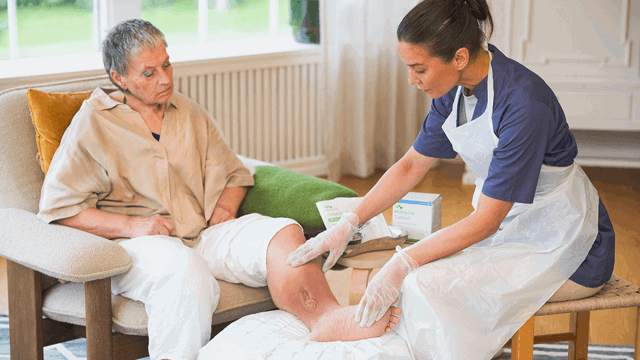
Wound care | 4 min read How to look after your wound
What do you need to know to look after your wound at home? This page guides you through the process of changing your wound dressings safely.
-

Wound care | 3 min read Expert interview: How can clinicians engage procurement and finance stakeholders in implementing a pressure injury prevention programme?
As part of a recent investigation into pressure injury prevention, Mölnlycke® asked this and related questions to Benedict Stanberry, an expert in health economics.
-
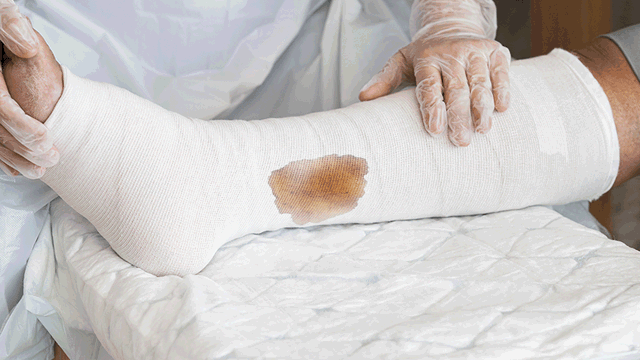
Wound care | 6 min read Venous leg ulcers: Clinical understanding and epidemiology
Venous leg ulceration and chronic venous insufficiency represent a significant health problem throughout the world. Compression therapy is key to successful management¹.
-

Wound care | 5 min read The impact of venous leg ulcers and “leaky legs”
The chronic nature of venous leg ulcers (VLU) means that the cycle of skin healing followed by breakdown and potential for infection can repeat – sometimes over decades. This creates quality of life issues for patients1, in particular because of physical symptoms, which can be both painful and embarrassing.
-
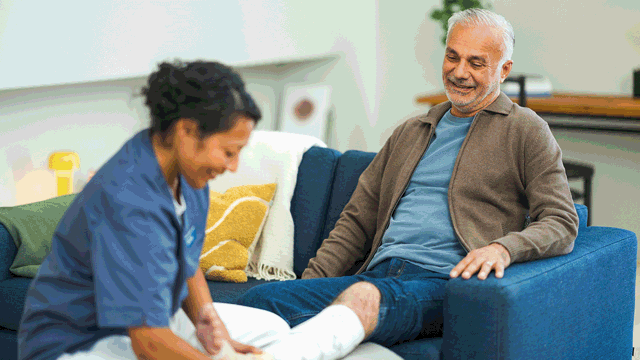
Wound care | 2 min read Wound exudate: how to assess and manage exuding wounds for the best patient outcomes
Exudate – or wound fluid – plays a vital part in the natural wound healing process, but how do you manage exudate to get the best patient outcomes?
-
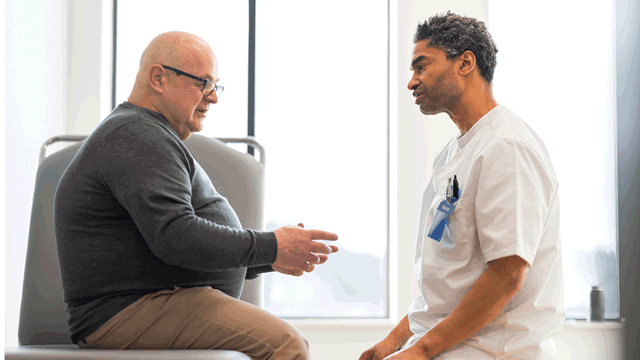
Wound care | 4 min read Diabetic foot ulcers: Causes, risks, and epidemiology
Examining the causes, risk factors, and epidemiology of diabetic foot ulcers (DFUs), a serious complication of diabetes. Approaches to prevention and the management of DFUs are important when managing the person with diabetes.
-
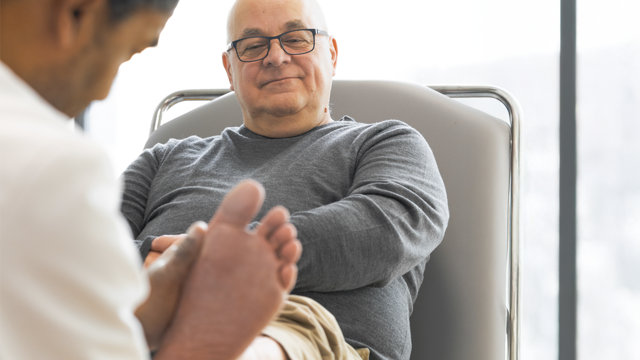
Wound care | 5 min read Diabetic foot ulcers: Treatment, management and care for healthcare professionals
Examining how diabetic foot ulcers (DFUs) are diagnosed, treated and managed, taking a holistic approach to the patient’s individual wound and needs.
-

Wound care | 3 min read Burn scar treatment
We know that burn scars can affect your quality of life. They can cause discomfort and itching, and they may also make you feel self-conscious. It’s not always easy to return to your daily life and activities, but there is a lot you can do to prevent and reduce hypertrophic scars.